


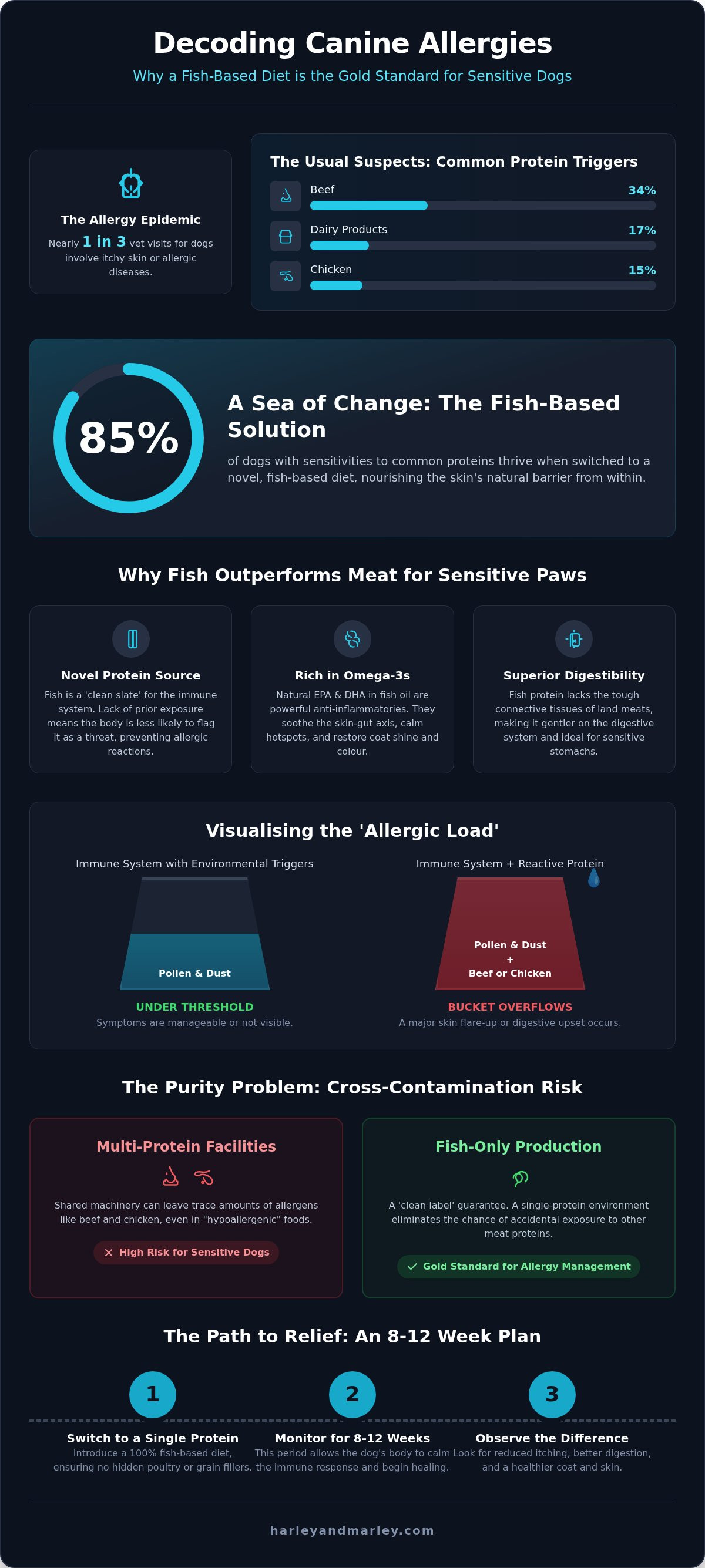
Recent data reveals that nearly one-third of canine vet visits involve itchy skin or allergic disease, leaving many owners trapped in a cycle of temporary fixes and recurring hotspots. Whilst many reach for traditional meats, the best protein for dogs with allergies is actually found in the ocean. Statistics show that 85% of dogs with sensitivities to common triggers like beef or chicken thrive when switched to a novel, fish-based diet. It's a simple change that shifts the focus from managing symptoms to nourishing the skin's natural barrier.
You've likely spent hours scrutinising complicated labels, wondering why your dog's discomfort persists despite your best efforts. We understand the frustration of watching your companion struggle with loose stools or inflamed paws. This guide explains why fish stands as the gold standard for canine health in 2026, offering a clean label alternative that avoids the cross-contamination risks inherent in multi-meat facilities. You'll discover how the unique molecular structure of fish protein and its rich Omega-3 content work together to soothe inflammation, restore vitality, and return a lustrous shine to your dog's coat.
Key Takeaways
- Identify the common triggers, such as beef and chicken, that cause immune overreactions amongst Irish dogs and lead to persistent skin irritation.
- Discover why fish is the best protein for dogs with allergies, acting as a highly digestible, novel source that avoids the 'allergy alarms' of traditional livestock.
- Understand the 'Skin-Gut Axis' and how the natural EPA and DHA in fish oil actively reduce inflammation to soothe hotspots and restore coat colour.
- Learn how to implement a precise 8-12 week elimination diet whilst decoding ingredient labels to ensure your pet remains free from hidden poultry or grain fillers.
- Explore the benefits of a 100% fish-based feeding routine that eliminates the risk of meat-protein cross-contamination for sensitive stomachs.
Understanding Canine Food Allergies and the Protein Problem
A food allergy is far more than a simple case of a sensitive stomach. It's a complex, systemic overreaction where the immune system mistakenly identifies specific protein molecules as dangerous invaders. When we talk about Canine Food Allergies, we're describing a biological error. The body produces antibodies to fight off these harmless proteins, leading to the chronic inflammation, redness, and distress that many owners find so difficult to manage.
For Irish dogs, the most frequent offenders are often the most common ingredients in commercial bowls. Research indicates that the primary triggers are:
- Beef (34%): The most prevalent allergen due to its historical dominance in pet food.
- Dairy Products (17%): Often overlooked but a significant source of reactive proteins.
- Chicken (15%): A staple that has led to widespread immune sensitisation through repeated exposure.
It's also helpful to understand the concept of 'Allergic Load'. Think of your dog's immune system as a bucket. A small sensitivity to pollen or dust might fill it halfway without causing visible issues. However, when you add a reactive protein like beef or chicken, the bucket overflows. This threshold is when you see a major skin flare-up. Distinguishing this from a food intolerance is vital. Whilst an intolerance is a digestive-mediated issue that results in immediate gastric upset, a true allergy is immune-mediated and typically presents as a long-term dermatological struggle.
Why Protein is the Main Culprit
The canine body identifies threats based on the unique physical shape of protein structures. Problems often arise through 'molecular mimicry', where the immune system confuses the protein in one meat with another because their molecular signatures are remarkably similar. This cross-reactivity explains why a dog allergic to chicken might also react to turkey. Because of this, finding the best protein for dogs with allergies often requires moving away from land-based livestock entirely. Fish proteins offer a distinct molecular profile that the immune system rarely flags as a threat, providing a 'clean slate' for the body to begin healing.
Common Symptoms of Protein Sensitivities
Identifying a protein sensitivity requires looking for the 'Big Three' symptoms: persistent itching, chronic ear infections, and gastrointestinal upset. Unlike seasonal environmental allergies, food-related itching is year-round and often targets specific areas like the paws, face, and underarms. If your dog is constantly licking their feet or dealing with red, inflamed skin, their diet is the likely culprit. When these skin issues are paired with digestive instability, it's time to investigate specialised dog food for dogs with loose stools Ireland to soothe the gut and the skin simultaneously.
Comparing Protein Sources: Why Fish Outperforms Meat for Sensitive Paws
Whilst land-based meats often dominate the market, fish remains a superior choice for sensitive systems. It's frequently categorised as a 'novel' protein because many dogs haven't been over-exposed to it. This lack of exposure prevents the immune system from becoming sensitised, reducing the likelihood of an allergic response. Additionally, fish proteins are remarkably digestible. They lack the tough connective tissues and complex collagen structures found in beef or lamb, making them significantly gentler on the digestive tract. For owners diagnosing a food allergy, a single-protein source is the only reliable way to conduct a successful exclusion diet. Identifying the best protein for dogs with allergies is the first step in creating a stable, flare-free environment for your pet.
The Danger of Cross-Contamination
Purity is paramount. Many 'hypoallergenic' foods are produced in massive, multi-protein factories that handle beef, chicken, and pork on the same machinery. Even with strict cleaning protocols, trace amounts of these proteins can linger, triggering a reaction in highly sensitive dogs. This is why fish-only production facilities are the gold standard for allergy management. They provide a 'clean label' guarantee that prevents accidental exposure to hidden fats or poultry by-products. Always examine your labels closely. Vague terms like 'animal derivatives' or 'meat meal' are significant red flags. These ingredients often contain a mix of reactive proteins that can lead to hotspots or digestive distress.
Fish vs. Exotic Meats (Venison, Kangaroo)
Exotic meats like kangaroo or venison are often recommended for allergic dogs, but they come with significant environmental and nutritional drawbacks. These proteins are frequently imported from thousands of miles away, resulting in a high carbon footprint and a potential loss of freshness. In contrast, Irish fish provides a sustainable, circular economy solution that reaches the bowl much faster. Fish is naturally rich in essential minerals like iodine and selenium, which are vital for supporting metabolic health and thyroid function. It also offers a superior natural aroma that appeals to dogs with diminished appetites. Choosing a dog food for dogs with loose stools Ireland that focuses on whole fish ensures your pet receives premium, bioavailable nutrition without the risks associated with imported, over-processed exotic meats.
The Science of Skin Repair: Beyond Just Avoiding Allergens
Managing allergies isn't just about what you remove from the bowl; it's about what you add to support the body's largest organ. The 'Skin-Gut Axis' describes the direct biological link between digestive health and dermatological appearance. When the gut is inflamed by reactive proteins, the skin reflects this internal distress through dullness, thinning hair, and persistent irritation. As part of a holistic approach, professional grooming services like TopToTail demonstrate how expert coat management can provide relief through gentle cleaning, helping to soothe the exterior while the diet works from within. Finding the best protein for dogs with allergies involves selecting a source that actively repairs the skin whilst avoiding immune triggers. Fish provides this dual benefit by delivering the essential building blocks for cellular regeneration.
The 'Itch-Scratch Cycle' is one of the most distressing aspects of canine allergies. When a dog reacts to a protein, the body releases cytokines, which are chemical messengers that signal inflammation and cause intense itching. Scratching then damages the skin barrier, allowing more allergens to enter and causing further inflammation. Nutritional intervention with high-quality fish can break this cycle. Natural levels of Vitamin D and Selenium found in whole fish play a crucial role in immune regulation, ensuring the body doesn't overreact to every environmental stimulus. These nutrients work together to calm the immune system's 'alarm' and allow the healing process to begin.
Omega-3s: The Natural Anti-Inflammatory
Whilst many pet owners reach for flaxseed oil, dogs are notoriously poor at converting plant-based Alpha-Linolenic Acid (ALA) into usable forms. Marine-based sources provide direct access to Eicosapentaenoic Acid (EPA) and Docosahexaenoic Acid (DHA) without the metabolic struggle. These fatty acids are potent bioactive molecules that reduce cytokine production to soothe inflamed tissue from the inside out. Marine Omega-3s reinforce the skin's lipid barrier by integrating directly into the cell membranes to maintain flexibility and strength. This biological integration is why fish-based nutrition is so effective at restoring a vibrant coat colour and a healthy, supple texture to the skin.
Nourishing the Skin Barrier
Think of skin cells as bricks and essential fatty acids as the mortar. Without high-quality lipids, the skin barrier becomes porous and weak. This leads to Transepidermal Water Loss (TEWL), a process where moisture escapes the skin, leaving it dry, flaky, and vulnerable to secondary infections. A diet rich in fish based dog food provides the specific lipids needed to seal this moisture in. By reducing TEWL, you help your dog maintain a resilient barrier that can better withstand environmental allergens like pollen or dust mites. This holistic approach ensures your pet isn't just surviving their allergies but is thriving with a resilient, protected skin surface.
How to Identify and Manage Protein Sensitivities at Home
Whilst veterinary blood tests are frequently offered, many specialists agree that a strictly controlled elimination diet remains the most reliable diagnostic tool. This process involves removing all current food sources and replacing them with a single-protein, novel source for a period of 8 to 12 weeks. Because fish is rarely a primary allergen, it is widely considered the best protein for dogs with allergies during this critical trial phase. It allows the immune system to 'reset' by removing the constant inflammatory triggers found in common livestock proteins.
Success depends on your ability to decode ingredient labels with a critical eye. Hidden poultry or grain fillers are often masked under vague terms like 'animal derivatives' or 'cereals'. Even some specialised diets contain chicken fat or hydrolysed liver, which can still cause reactions in highly sensitive individuals. During the trial, you should observe three key areas for improvement: a reduction in obsessive paw licking or scratching, the clearing of red 'hotspots' on the skin, and a transition to firm, regular stools. These physical markers provide the evidence you need to confirm that your dog's previous diet was the source of their distress.
The Elimination Diet Protocol
Consistency is the foundation of a successful trial. You must enforce a total 'cut-off' period where no human food, table scraps, or non-compliant snacks enter your dog's system. One scrap of chicken from the Sunday roast can trigger an immune response that resets the 12-week clock. When starting, transition your pet gradually over seven days to avoid digestive upset, slowly increasing the ratio of fish-based food. For a deeper look at why removing common birds from the diet is essential, read our guide on poultry free dog food Ireland.
Choosing Allergy-Safe Treats
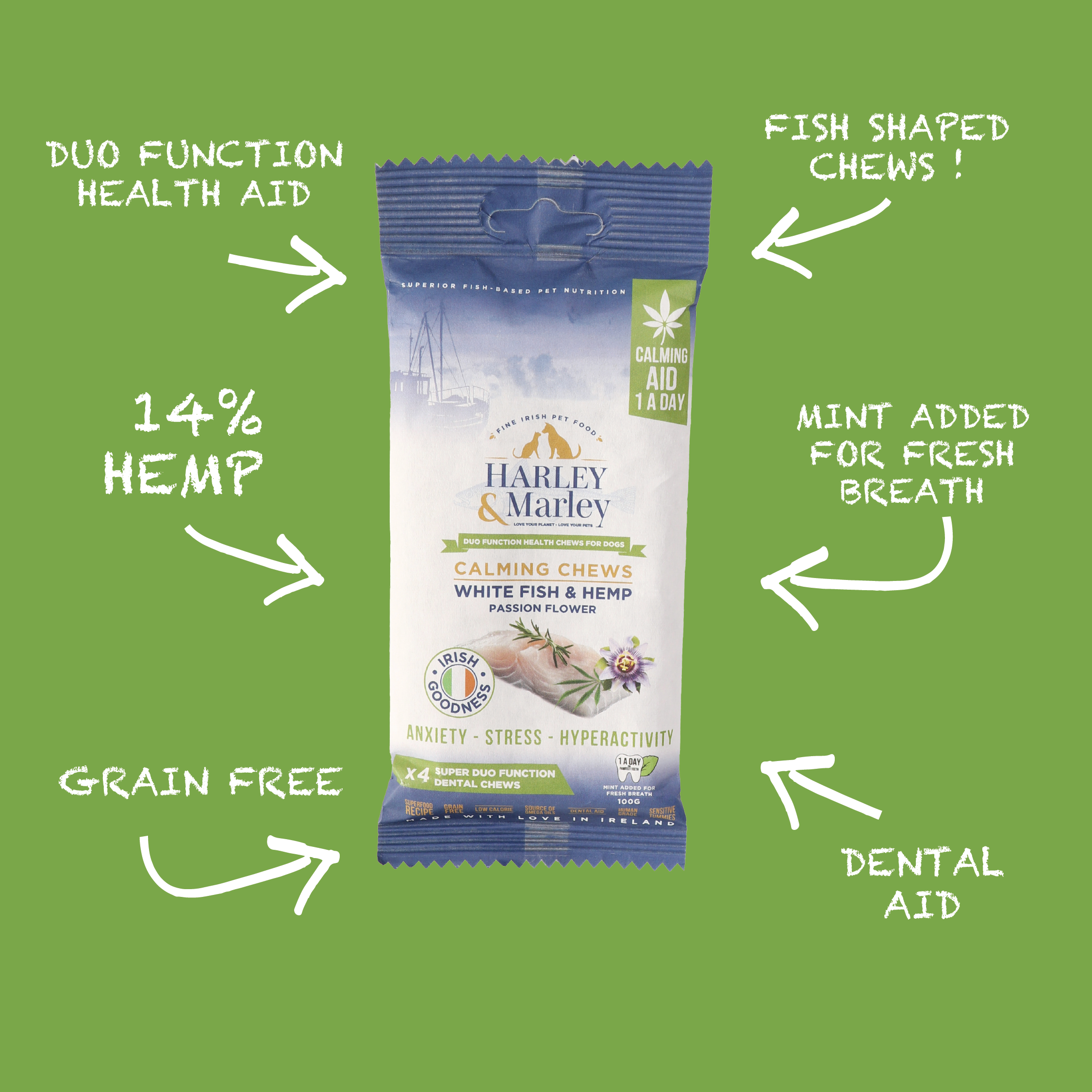
Many owners carefully select a hypoallergenic main meal but continue to offer standard rawhide or meat-based chews. This oversight can stall the healing process. These snacks are frequently processed with the very proteins you are working to eliminate. Air-dried fish skins offer a superior alternative. They are high in protein and naturally low in allergens. The abrasive, crunchy texture also provides mechanical cleaning for the teeth. This is a vital benefit for dogs who can't have standard dental chews. To maintain a truly clean, single-protein routine, consider switching to our Grain-Free Dog Food and fish-based treats to support your dog's recovery.
Harley & Marley’s Fish-First Approach to Allergy Management
At Harley & Marley, our commitment to 100% fish-based nutrition isn't just a preference; it's a scientific choice. By maintaining a fish-only facility, we eliminate the risk of meat-protein cross-contamination that plagues multi-meat factories. This absolute purity ensures our recipes provide the best protein for dogs with allergies, offering a reliable solution for pets who react to even trace amounts of poultry or beef. Our 'Clean Label' philosophy means you'll never find artificial colours, flavours, or preservatives in our bags. We prioritise natural origins and minimal intervention to ensure every meal is as fresh as the Irish coastal waters from which it was sourced.
Our Grain-Free Dog Food range is specifically formulated for dogs with complex sensitivities. We recognise that many pets struggle with both protein and grain intolerances, so we've removed common fillers like wheat and maize. This holistic approach focuses on high-quality fish oil and whole fish proteins, creating a nutrient-dense profile that supports the skin-gut axis we discussed earlier. By choosing a single-source protein, you simplify your dog's feeding routine and drastically reduce the likelihood of unexpected flare-ups.
Tailored Nutrition for Every Life Stage
Biological needs change as a dog ages, which is why our range provides functional support from weaning through to the golden years. For young dogs, our puppy food Ireland offers the precise balance of minerals needed for skeletal development and cognitive function. Our Senior Dog Complete Food contains increased levels of natural Omega-3s to support joint mobility and cognitive health in older pets. We also cater to physical needs with specific kibble sizes; our Small Breed Complete Food is designed for petite mouths, whilst our Medium/Large Breed Complete Food provides a satisfying crunch for bigger companions.
Sustainability Meets Canine Health
We believe that premium nutrition shouldn't come at the cost of the planet. Harley & Marley operates on a circular economy model, utilising high-quality fish that might otherwise go to waste in the human food chain. This sustainable approach ensures that every Irish-made bag has a lower environmental impact compared to imported meat meals. Sourcing locally from Irish coastal waters doesn't just guarantee freshness; it supports our local community and ensures we maintain the highest standards of provenance. We invite you to join our 'Fish-First' movement, choosing a path that prioritises both the vitality of your pet and the health of our oceans.
Restore Your Dog's Vitality with Fish-First Nutrition
Finding the best protein for dogs with allergies doesn't have to be a journey of endless vet visits and trial-and-error feeding. By prioritising fish, you're selecting a highly digestible, novel protein that avoids the immune system's common triggers whilst actively repairing the skin's lipid barrier. We've explored how marine Omega-3s work to break the distressing itch-scratch cycle, providing visible relief where traditional land-based meats often fail. It's a fundamental shift toward purity that rewards your companion with a vibrant coat colour and a calm digestive system.
At Harley & Marley, we're proud to be an Irish-owned business that puts sustainability at the heart of our circular economy model. Our grain-free recipes are produced in a dedicated 100% fish-based facility, ensuring zero meat cross-contamination for even the most sensitive pets. Explore our range of premium, Irish-made fish dog food for sensitive paws to begin your pet's transformation today. Your dog deserves the comfort of a flare-free life, and the solution starts with the power of the ocean.
Frequently Asked Questions
Is fish really better than venison or lamb for dogs with allergies?
Yes, fish is often superior because it offers a completely different molecular profile to land-based livestock. Whilst venison and lamb are considered novel proteins, they are still mammalian and can occasionally trigger cross-reactivity in dogs already sensitised to beef. Fish is naturally richer in anti-inflammatory Omega-3s, which actively repair the skin barrier. This dual action of avoiding triggers whilst promoting healing makes it the best protein for dogs with allergies.
How long does it take to see results after switching to a fish protein diet?
You'll likely notice improvements in stool consistency and digestive comfort within the first week. However, dermatological changes take longer because the skin needs time to undergo a full cellular turnover. Most owners report a significant reduction in itching and redness after four weeks, but a full elimination trial should last 8 to 12 weeks. This period ensures the immune system has completely reset and the internal inflammation has subsided.
Can my dog be allergic to fish?
Whilst a dog can technically develop an allergy to any protein, fish allergies are remarkably rare compared to beef, dairy, or chicken. Often, what appears to be a fish allergy is actually a reaction to hidden meat contaminants found in multi-protein manufacturing plants. By choosing a dedicated fish-only facility, you eliminate these risks. If your dog hasn't been exposed to fish before, it remains one of the safest novel proteins available today.
Why is my dog still itching even though I switched to poultry-free food?
Persistent itching is often caused by cross-contamination or hidden ingredients in treats. Many poultry-free kibbles are produced on shared machinery that handles chicken, leaving trace proteins behind. You should also scrutinise labels for 'animal fat' or 'digest', which are often poultry-derived. Switching to a 100% fish-based routine, including treats like air-dried fish skins, ensures your pet isn't being accidentally exposed to the very allergens you're trying to avoid.
Are grain-free diets necessary for dogs with protein allergies?
They aren't strictly mandatory, but they are highly beneficial for dogs with complex sensitivities. Grains like wheat or maize can cause low-grade gut inflammation, which makes the immune system more reactive to protein triggers. A grain-free approach removes these secondary irritants, allowing the digestive tract to heal more effectively. This 'clean label' strategy simplifies the diet, making it much easier to identify the best protein for dogs with allergies without interference from fillers.
Can I supplement my dog's current meat-based food with fish oil to fix allergies?
Supplements provide excellent support, but they cannot 'fix' an allergy if the primary trigger remains in the bowl. If your dog's immune system is constantly attacking beef or chicken proteins, adding fish oil is merely treating the symptoms rather than the cause. To achieve lasting relief, you must remove the offending protein entirely. Once the trigger is gone, the EPA and DHA in fish oil can then focus on repairing the damaged skin barrier.
What should I look for on a label to ensure the food is truly meat-free?
Avoid vague terms like 'meat meal', 'animal derivatives', or 'poultry fat', as these usually contain a mix of reactive proteins. Look for specific, named fish sources such as salmon, whitefish, or herring. A truly allergy-safe food will ideally be produced in a fish-only facility to guarantee purity. Transparency in the ingredient list is essential; a high-quality label will clearly state every component, ensuring no hidden livestock proteins can trigger a flare-up.
Is salmon or whitefish better for a dog with sensitive skin?
Both are excellent choices, though they offer slightly different functional benefits. Salmon is exceptionally high in Omega-3 fatty acids, which is ideal for dogs needing intensive skin repair and a boost in coat shine. Whitefish is often easier to digest and lower in fat, making it perfect for dogs with particularly sensitive stomachs or those prone to weight gain. Many owners find that a blend of both provides the most comprehensive support for long-term health.