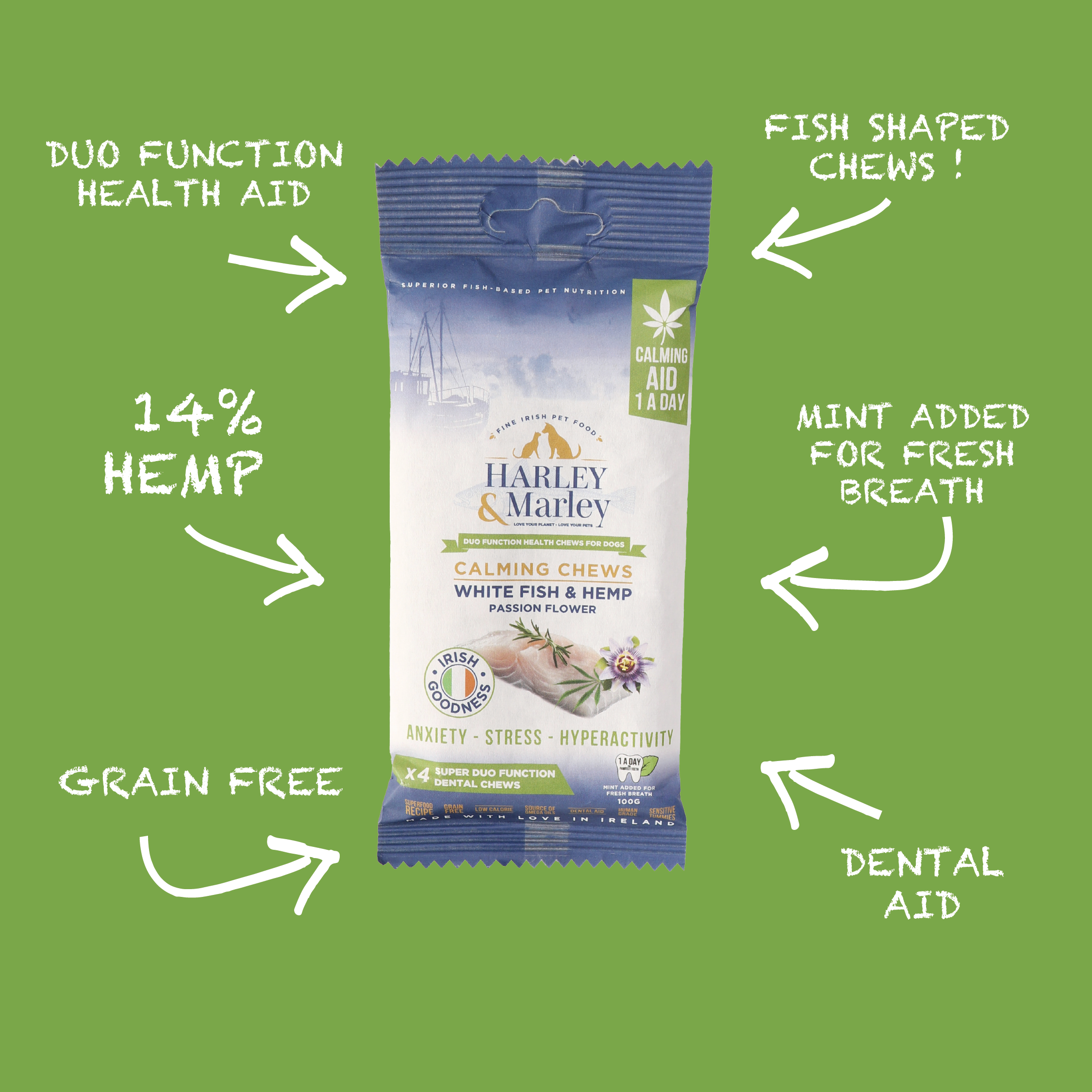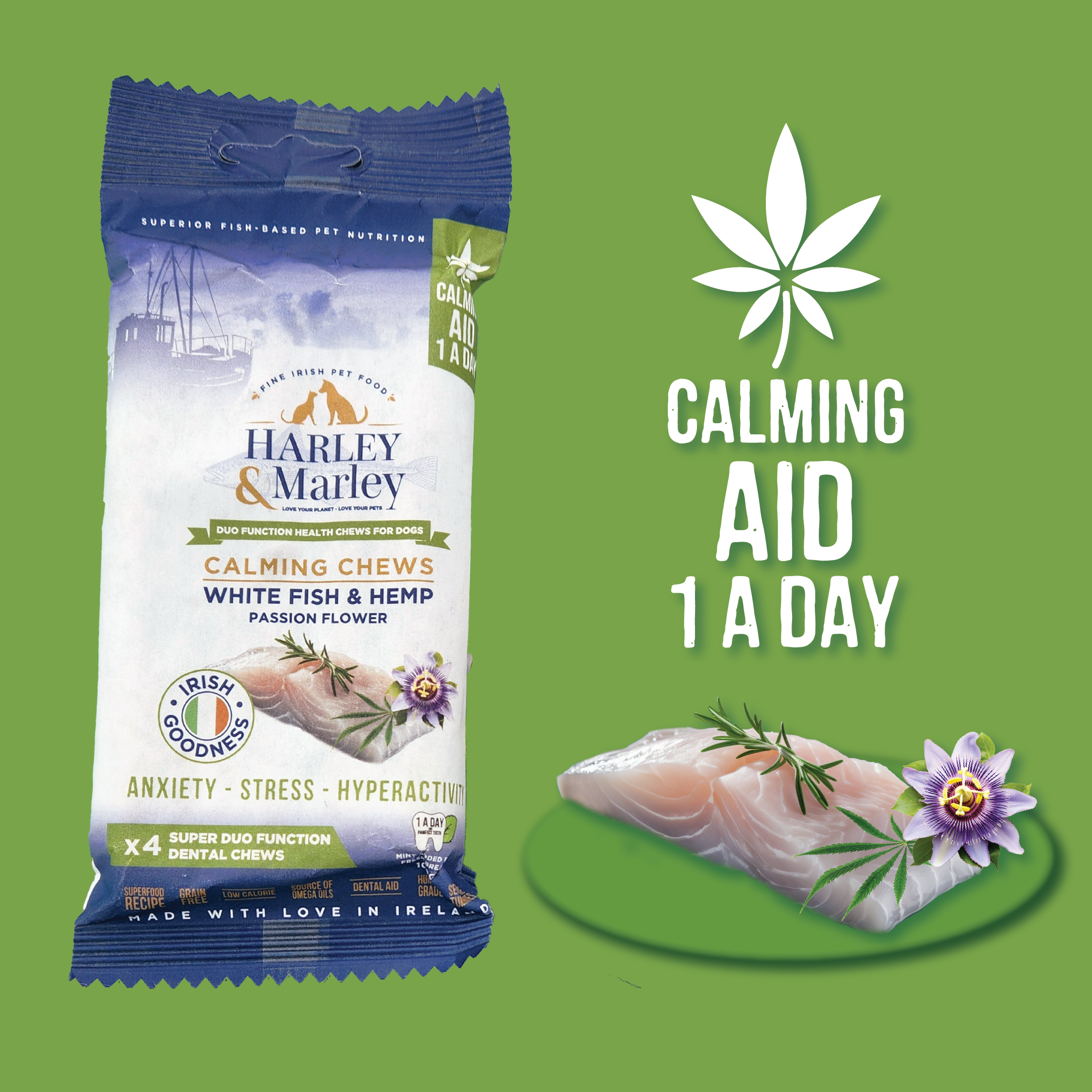

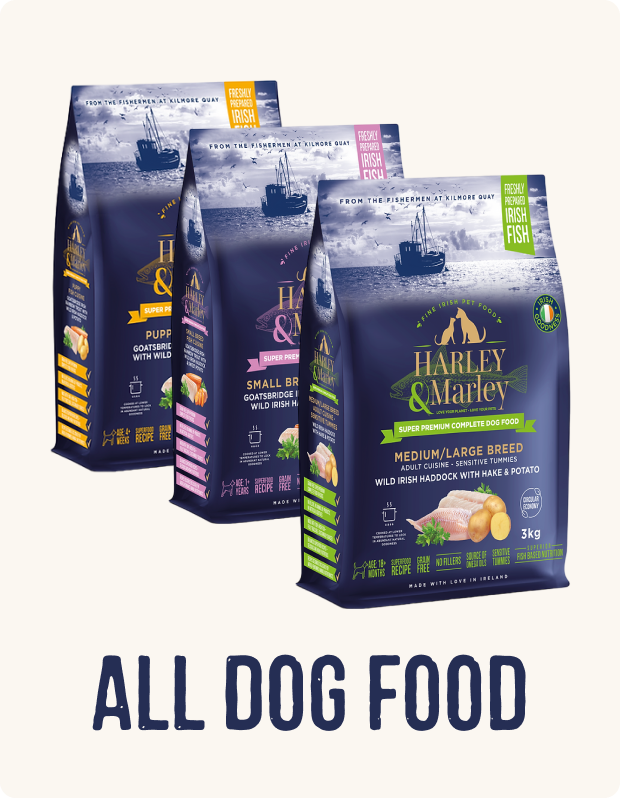


Why do we often assume that a five-kilogram Terrier can thrive on a scaled-down version of a diet designed for a thirty-kilogram Retriever? It's frustrating when your companion turns their nose up at dinner, or when you notice their coat losing its lustre despite your best efforts. You want to provide the very best, yet the search for the perfect dog food for small dogs often leads to more questions than answers. We recognise the specific hurdles you face, whether it's the worry over itchy skin or the difficulty your pet has with standard-sized kibble.
This 2026 nutritional guide demonstrates why a fish-based, grain-free diet is the superior choice for your dog's health and longevity. By prioritising purity and ethical sourcing, you can transform mealtime into a source of vitality. We will examine the functional benefits of Omega-3 for skin health, the importance of precise calorie density for stable energy, and how to satisfy even the most discerning palate. Discover how the right nutrients can support a thriving, happy life for your small breed companion whilst ensuring they enjoy every single bite.
Key Takeaways
- Small breeds under 10kg possess significantly higher metabolic rates than larger dogs, necessitating a more concentrated approach to calorie and nutrient density.
- Understand why fish serves as a superior, easily digestible protein source that naturally addresses common digestive sensitivities and inflammatory skin conditions.
- Selecting the optimal dog food for small dogs is essential for maintaining stable energy levels whilst avoiding the health risks associated with even minor weight gain.
- Discover how a grain-free, Omega-3-rich diet can transform a dull coat and itchy skin into a visible sign of holistic health and vitality.
- Learn to manage the "fussy eater" syndrome by selecting recipes that offer high-quality, sustainably sourced ingredients that your dog actually enjoys.
Understanding the Unique Nutritional Profile of Small Breed Dogs
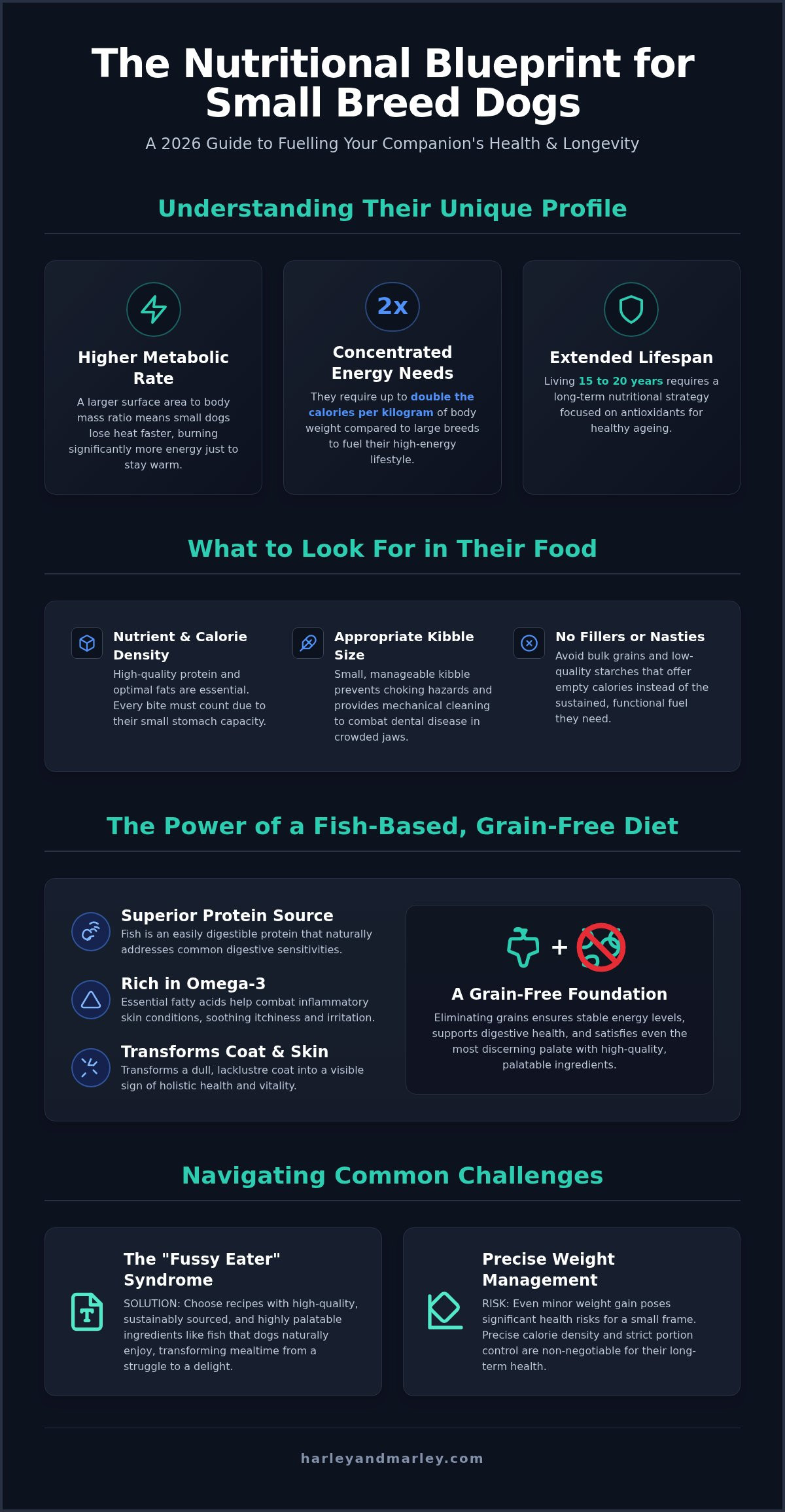
Small dogs aren't just miniature versions of their larger cousins. In a nutritional context, a "small breed" is typically defined as an adult dog weighing under 10kg. Whilst they might look delicate, their internal biological processes are remarkably robust and distinct. This means that generic kibble often falls short of their needs; it fails to provide the concentrated energy levels these compact powerhouses require. Choosing the right dog food for small dogs isn't just about the size of the bite, it's about matching a unique metabolic profile that differs significantly from larger animals.
The Metabolic Engine: Why Small Dogs Burn Energy Differently
Small dogs possess a higher surface area to body mass ratio than large breeds. This is a simple biological reality. Because they have more skin surface relative to their total weight, they lose body heat much faster. To compensate, their bodies work overtime, requiring a significantly higher calorie intake per kilogram of body weight just to maintain a stable core temperature. Without nutrient-dense meals, small dogs are at a higher risk of hypoglycaemia, or low blood sugar, which can lead to sudden lethargy or even seizures.
To support this intense energy demand, it's vital to avoid "filler" ingredients like bulk grains or low-quality starches. These provide empty calories that might fill the stomach but don't provide the sustained, functional fuel needed for a high-functioning metabolism. Whilst Dog Food Basics help us understand general canine nutrition, small breeds require a more surgical approach to ingredient selection to ensure they remain energised throughout the day.
Life Stages and Longevity in Small Breeds
One of the most rewarding aspects of living with a small dog is their longevity. Many breeds, such as Chihuahuas or Terriers, can live for 15 to 20 years. This extended lifespan requires a long-term nutritional strategy that supports cognitive health and cellular repair over several decades. A small dog's resting metabolic rate is significantly higher than that of a large breed, often requiring up to double the calories per kilogram to maintain their exuberant energy levels.
As they transition from puppyhood to their senior years, the focus must shift toward protecting their long-term vitality. Antioxidants play a crucial role here, as they help neutralise free radicals that can impact brain function and joint health in older dogs. High-quality dog food for small dogs should prioritise these protective compounds alongside clean, easily digestible proteins to ensure that their golden years are spent in comfort, health, and happiness.
Key Dietary Requirements: What to Look for in Small Breed Dog Food
Selecting the right dog food for small dogs requires a shift in perspective. You aren't just feeding a pet; you're fuelling a high-performance biological system with very little room for error. Because small breeds have limited stomach capacity, their diet must be significantly more nutrient-dense than that of a larger dog. High-quality protein is the foundation, supporting lean muscle mass and tissue repair, whilst optimal fat levels provide the sustained energy required for their rapid heart rates and frequent movement.
Vitamins and minerals are equally crucial. Antioxidants, such as Vitamin E and C, support a robust immune system, which is vital for dogs that may live nearly two decades. Whilst commercial packaging often highlights protein, consulting Expert Nutrition FAQs reveals that the precise balance of these micronutrients is what truly sustains long-term health in smaller frames. These micro-requirements ensure that every gram of food contributes to their overall vitality.
Kibble Size and Dental Health
Dental disease is one of the most common health issues seen in small breeds. Their teeth are often crowded into a small jaw, creating perfect hiding spots for plaque and tartar. Large kibble isn't just difficult to manage; it poses a genuine choking hazard. Specialized dog food for small dogs features a smaller, more manageable kibble size with a specific crunch consistency. This architecture provides a mechanical cleaning action, gently scraping the teeth as the dog chews. This daily maintenance is essential for preventing the inflammation and tooth loss often associated with petite anatomy.
Calorie Density vs. Portion Control
Precision in feeding is a necessity, not a suggestion. A small dog's stomach is roughly the size of a walnut, meaning every bite must deliver maximum nutritional value. High calorie density allows your dog to get the fuel they need without having to consume large, uncomfortable volumes of food. However, this density demands discipline from the owner. It's easy to overfeed, and even a few extra grams of food daily can lead to obesity. On a five-kilogram dog, a small amount of weight gain is a significant percentage of their body mass, putting immense strain on their heart and joints. For a balanced approach, choosing a tailored Small Breed Complete Food ensures they receive the right energy levels in every meal without the risk of empty fillers.
The Benefits of a Fish-Based Diet for Small Breeds
Fish is a nutritional gold standard for petite companions. Unlike land-based proteins that often trigger sensitivities, fish offers a clean, bioavailable source of essential amino acids. For many owners, the search for the ideal dog food for small dogs ends when they transition to a marine-based diet. It's not merely about taste; it's about the functional benefits that high-quality, single-source proteins provide to a delicate system. This approach ensures your pet receives concentrated nutrition without the digestive heavy lifting required by denser meats.
The anti-inflammatory properties of Omega-3 fatty acids, specifically EPA and DHA, are transformative for small breed health. These long-chain fats support heart health and maintain joint mobility, which is crucial as small dogs often lead very active, long lives. Whilst FDA Pet Food Regulations provide a framework for safety and labelling, the physiological impact of freshly prepared fish goes beyond basic compliance. It actively reduces systemic inflammation, protecting your dog's vital organs and supporting their long-term vitality from the inside out.
Skin and Coat Health: The Omega-3 Advantage
A dull coat or persistent "hot spots" are often cries for better nutrition. Breeds like West Highland Terriers or Pugs are notoriously prone to skin irritations and environmental allergies that can cause significant distress. Fish oil acts as a natural barrier, strengthening the skin's lipid layer and resulting in a glossy, healthy fur that is soft to the touch. By choosing a specialised fish based dog food for small breeds, you provide the precise levels of fatty acids needed to soothe itchy skin and restore a vibrant appearance that reflects their internal health.
Digestibility and Sensitive Tummies
Small breeds frequently suffer from gastrointestinal upset due to their fast metabolisms and sensitive systems. Fish protein is naturally easier to break down than tougher fibres found in beef or lamb, making it remarkably gentle on the digestive tract. This high level of digestibility is a core requirement for any premium dog food for small dogs, ensuring that their limited stomach capacity is filled with only the most beneficial nutrients. Grain-free fish recipes take this a step further by removing common irritants like wheat or corn, which can lead to bloating or discomfort. This is particularly effective when selecting dog food for dogs with loose stools Ireland, as it ensures nutrients are absorbed efficiently whilst significantly reducing waste.
Common Feeding Challenges and Mistakes with Small Dogs
Feeding a small breed is often a game of high stakes. Owners frequently find themselves caught between the frustration of a dog that refuses to eat and the worry of one that gains weight too easily. Because their biological margins are so slim, small errors in feeding habits can lead to significant health consequences. Identifying these hurdles early allows you to refine your approach and ensure your pet receives the full benefit of a high-quality dog food for small dogs without the stress of mealtime battles.
Consistency is your most powerful tool. Small dogs thrive on routine, which helps regulate their blood sugar and manage the energy spikes common in active breeds. When transitioning from a meat-based diet to a fish-based one, a gradual approach over seven to ten days is essential. This allows their digestive enzymes to adapt to the new protein source, preventing the tummy upsets that can occur with sudden dietary shifts. By prioritising a steady schedule and a thoughtful transition, you create a foundation for long-term digestive comfort.
Managing the Fussy Eater
Small breeds are notorious for developing "fussy eater" syndrome, but this is often a learned behaviour rather than a biological requirement. If a dog learns that refusing their kibble leads to a piece of roast chicken or a lick of a yoghurt pot, they will hold out for the higher-value reward. These human food scraps provide empty calories and can quickly ruin a dog's appetite for balanced nutrition. To make meals more enticing without compromising health, try adding a splash of warm water to fish-based recipes. This releases the natural marine aromas, making the food far more appealing to a discerning palate. High-palatability fish proteins are naturally attractive to dogs, often solving the "fussiness" issue without the need for unhealthy additives.
Obesity Prevention in Small Breeds
Obesity is a silent crisis for petite pets. Whilst 500g of weight gain might seem negligible to us, it represents a 10% increase in body mass for a five-kilogram dog. This extra weight puts immense strain on the heart and respiratory system. It's particularly dangerous for long-backed breeds like Dachshunds, where even a small amount of excess fat can lead to debilitating spinal issues. You can use a body condition score at home by feeling for your dog's ribs; you should be able to feel them easily without a thick layer of fat covering them. Swapping calorie-dense biscuits for low-fat fish treats is an excellent way to reward your dog whilst keeping them lean and mobile. For a precisely balanced meal that takes the guesswork out of calorie counts, consider switching to a specialised Small Breed Complete Food designed for optimal weight maintenance.
Choosing Harley & Marley: Conscious Nutrition for Small Breeds
Finding the ideal dog food for small dogs in Ireland often means navigating a sea of mass-produced, imported options that lack transparency. Harley & Marley offers a superior alternative. We take immense pride in being an Irish-owned business that prioritises the holistic health of your pet through expert formulation and ethical responsibility. Our Small Breed Complete Food is specifically designed to meet the high metabolic demands of smaller companions, using freshly prepared fish as the primary protein source. This grain-free approach ensures that even the most sensitive stomachs receive clean, concentrated nutrition without the risk of inflammatory fillers.
Our commitment extends beyond the bowl. We operate within a circular economy, sourcing our ingredients sustainably to minimise our environmental footprint and support local ecosystems. By choosing local, you aren't just supporting an Irish business; you're investing in a system that values provenance and the long-term vitality of our coastal waters. Every bag reflects our "Conscious Expert" philosophy, ensuring that your pet's health never comes at the cost of the planet.
Irish Made, Expertly Formulated
We believe in a "clean label" promise. This means you'll find no hidden nasties, no meat-based derivatives, and no vague marketing fluff in our recipes. Instead, we use high-quality coastal ingredients that provide the Omega-3 richness your dog deserves. Our specialised Small Breed Complete Food is more than just a recipe; it's a testament to our belief that purity is the foundation of health. To understand our full journey and the science behind our selection, you can explore our fish based dog food pillar for the complete brand story.
Sustainable Subscriptions for Busy Owners
Managing the nutritional needs of a small breed shouldn't be a source of stress. Our monthly food box subscription is designed for the modern owner who values both convenience and quality. This model ensures you never run out of your favourite small breed food, providing a steady supply of fresh, nutrient-dense meals delivered straight to your door. It's a seamless way to maintain the consistent feeding schedules necessary for stable energy levels whilst reducing the carbon footprint associated with frequent, individual purchases.
For those looking to provide comprehensive care, we encourage you to explore our specialised Bundles for Dogs. These curated selections offer the best value in premium nutrition, combining our complete food with functional chews and bites that support dental hygiene and joint health. Choosing Harley & Marley means joining a community of conscious owners who refuse to compromise on their pet's health or their own ethical standards.
Investing in Your Small Breed's Long-Term Vitality
Choosing the right nutrition for a petite companion involves more than just selecting a smaller bag. It's about recognising their intense metabolic requirements and providing the functional support they need to thrive over a long, active life. By prioritising high-quality, grain-free fish proteins, you address the common issues of sensitive digestion and lacklustre coats whilst ensuring every meal is a source of genuine health. The transition to a specialised dog food for small dogs is a commitment to their daily comfort and future longevity.
At Harley & Marley, we combine expert formulation with a deep pride in our Irish heritage. Our recipes are grain-free and rich in Omega-3, featuring expertly sized kibble specifically designed for smaller jaws. As a sustainably sourced, Irish-owned business, we ensure that your pet's vitality is supported by the purest coastal ingredients. Shop our Premium Small Breed Complete Food today and see the difference that conscious nutrition makes. Your companion deserves a diet that matches their exuberant spirit, and we're here to help you provide it.
Frequently Asked Questions
Is grain-free food better for small dogs with allergies?
Grain-free options are often superior for small dogs exhibiting signs of food sensitivities or environmental allergies. Whilst many dogs digest grains well, others suffer from inflammatory responses that manifest as itchy skin or digestive upset. By removing common fillers like wheat or corn, you eliminate frequent allergens. Our specialised grain-free dog food for small dogs focuses on clean, marine-based proteins to support a calm, healthy system without the irritation associated with mass-market cereals.
How many times a day should I feed my small breed dog?
Small breeds benefit most from being fed two to three times daily. Because they possess a higher metabolic rate and smaller stomach capacity than larger breeds, they require a consistent energy supply to prevent hypoglycaemia. Spacing meals helps maintain stable blood sugar levels throughout the day. This routine also supports better digestion and prevents the frantic hunger that can lead to overeating or scavenging for unhealthy human snacks between scheduled mealtimes.
Can small dogs eat the same food as large dogs if the kibble is crushed?
No, simply crushing large kibble doesn't address the fundamental nutritional gap. Small dogs require a much higher concentration of calories, proteins, and fats per kilogram than large breeds. Standard food designed for bigger dogs is often too "diluted" to meet a small dog's rapid metabolic demands. Using a dedicated dog food for small dogs ensures they receive the precise nutrient density required for their petite frames in a manageable, crunch-safe architecture.
Why is my small dog such a fussy eater?
Fussy eating is frequently a learned behaviour rather than a biological trait. Small dogs often learn that refusing their standard meal leads to higher-value rewards like human food or treats. Additionally, their keen sense of smell means they may find some meat-based kibbles unappealing. Transitioning to a fish-based diet can help, as the natural marine aromas are highly enticing. Adding a splash of warm water can further release these scents to stimulate their appetite naturally.
Is fish-based dog food good for a small dog’s coat?
Fish-based nutrition is exceptionally beneficial for maintaining a lustrous, healthy coat. It's naturally rich in Omega-3 fatty acids, specifically EPA and DHA, which nourish the skin from within and reduce inflammation. This is particularly important for small breeds prone to dryness or irritation. Regular consumption of high-quality fish oil found in these recipes helps transform dull, brittle fur into a soft, shiny coat whilst supporting the skin's natural barrier against environmental allergens.
What is the best way to prevent obesity in a small breed?
Precise portion control and the use of low-calorie rewards are the most effective ways to prevent weight gain. Even a few extra grams of food daily can lead to significant obesity in a five-kilogram dog. We recommend using a body condition score to monitor their ribs and waistline regularly. Swapping high-fat biscuits for single-ingredient fish treats allows you to reward your pet without compromising their health or putting unnecessary strain on their joints.
Are fish skin chews safe for small dogs?
Fish skin chews are an excellent, safe alternative to traditional rawhide for small dogs. They are highly digestible and provide a satisfying crunch that helps remove plaque mechanically as they chew. Because they are low in fat and rich in Omega-3, they offer a healthy way to satisfy a small dog's natural urge to chew. Their rough texture is particularly effective at cleaning those crowded teeth common in smaller jaws whilst being gentle on sensitive tummies.
How do I know if my small dog has a sensitive stomach?
Common signs of a sensitive stomach include frequent flatulence, loose stools, or occasional vomiting after meals. You might also notice your dog eating grass or appearing lethargic after eating. These symptoms often suggest an intolerance to specific proteins or grains. Switching to a highly digestible, single-source protein like fish can provide immediate relief. It simplifies the digestive process, ensuring your dog absorbs essential nutrients without the discomfort associated with more complex, meat-based recipes.