


A healthier coat can start in the food bowl, but diet can’t stop normal shedding. Knowing how to reduce dog shedding through diet means feeding a complete, balanced food and supporting skin health with appropriate fatty acids; changes to coat shine or condition may take around 6–8 weeks to show. Sudden or patchy hair loss is different and needs veterinary attention.
It’s understandable to look for a simple fix when fur gathers around the home. But shedding is also shaped by a dog’s coat, age and the season, so extra loose hair doesn’t always mean their food is lacking.
This guide explains how protein and omega-3 and omega-6 fats support skin and coat, why seasonal moulting can be heavier in some breeds, and what to expect as puppies mature and dogs grow older. You’ll also learn when a dietary change may help and when unusual shedding calls for a closer look at your dog’s health.
Key Takeaways
- Choose complete, balanced food to support skin and coat, and consider how protein, zinc, vitamins and fatty acids contribute to healthy hair.
- Omega-3 and omega-6 fats support skin hydration; consult your vet before changing your dog’s diet or adding a fish oil supplement.
- Expect seasonal moulting to vary with coat type and time of year, and use regular brushing to manage loose fur.
- Coat changes after a dietary adjustment may take around 6–8 weeks to become visible.
- Take sudden or patchy hair loss, bald spots or irritated skin seriously, as these can signal a health issue rather than normal shedding.
1. Can Nutrition Really Help Reduce Shedding?
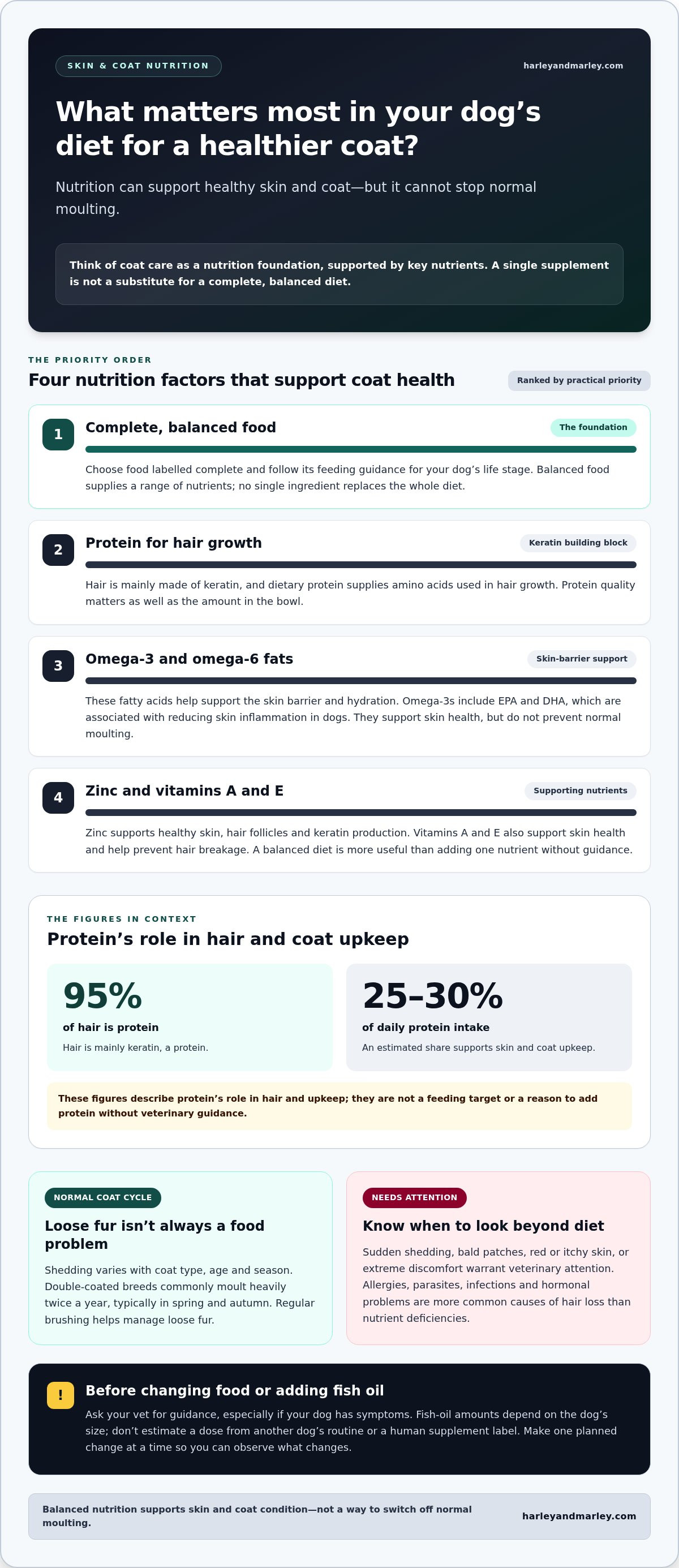
Nutrition can support healthy skin and coat, but it won’t stop normal moulting. Hair is about 95% protein, mainly keratin, so a dog needs dietary protein to supply the amino acids used in hair growth. An estimated 25–30% of daily protein intake supports skin and coat upkeep.
Protein quality matters as well as the amount in the bowl. A complete, balanced diet provides the nutrients dogs need, including amino acids that help build keratin. Check that your dog’s food is labelled complete, then follow its feeding guidance for your dog’s life stage.
Zinc supports healthy skin, hair follicles and keratin production. Too little can affect skin-cell renewal, leaving skin dry or flaky and hair weaker. Vitamins A and E also support skin health and help prevent hair breakage, so a balanced diet is more useful than adding a single nutrient without guidance.
Omega-3 and omega-6 fatty acids help maintain the skin barrier and hydration. Dry skin can make a coat look dull and may accompany increased shedding. Omega oils can support skin health, but choose a supplement with veterinary guidance rather than adding one by guesswork.
Other nutrients also contribute to coat condition as part of a balanced diet. Zinc and vitamins work alongside protein and fatty acids; no single ingredient replaces overall nutritional balance. FEDIAF standards set established nutritional requirements for complete dog food, helping owners assess whether a food is designed to meet dogs’ needs.
Normal shedding usually follows a dog’s coat cycle and doesn’t cause bald spots or visible skin changes. A dull, dry coat or flaky skin can signal poor nutrition, but allergies, parasites, infections and hormonal problems are more common causes of hair loss than nutrient deficiencies.
Food allergies can contribute to itchy skin, and repeated scratching may damage the coat and increase loose hair. Intolerance and allergy aren’t interchangeable diagnoses, so don’t remove ingredients or start an exclusion diet without veterinary advice.
Arrange a veterinary visit for sudden shedding, bald patches, red or itchy skin, or extreme discomfort. These signs can point to an allergy, infection, parasite or other medical problem rather than a simple dietary shortfall.
Avoid changing several parts of your dog’s diet at once, as this makes it harder to identify what affects their skin or coat. Don’t add supplements or replace complete food with an unbalanced diet; discuss changes with your vet, especially if your dog has symptoms.
Breeds and coat types shed differently, so compare your dog’s coat with its usual pattern. Regular grooming removes loose fur, but persistent skin changes or hair loss need attention beyond brushing.
2. Omega-3 and omega-6 fatty acids
Omega-3 and omega-6 fatty acids support the skin barrier, which helps retain moisture and protect the skin. A comfortable, well-hydrated skin surface supports a healthier coat, whilst dryness can contribute to irritation and breakage. These fats work as part of a complete diet, not as a stand-alone treatment for shedding in dogs.
Omega-3s include EPA and DHA, fatty acids associated with reducing skin inflammation in dogs. Less inflammation can mean less irritation and scratching, which can otherwise damage hair and affect the coat’s appearance. Omega-3s support skin health, but they don’t switch off the natural hair-growth cycle or prevent normal moulting.
Omega-6 fatty acids also contribute to the skin barrier and hydration. The useful goal isn’t to add one type of fat without considering the rest of the diet. A complete food is formulated to provide balanced nutrition, whereas unmeasured additions can alter the overall nutrient balance.
For a practical first step, review your dog’s current food and feeding routine. Check that the food is labelled complete, follow its feeding guidance and note any supplements already being used. If dry, flaky skin or excessive shedding continues, record when it began and any changes to food, treats or grooming. Those details can help a vet assess possible underlying causes.
Fish oil is a source of omega-3 fatty acids and may be used as a dog supplement. The appropriate dose depends on the dog’s size, so don’t estimate a serving from another dog’s routine or a human supplement label. Speak with your vet before adding fish oil, especially if your dog already eats a complete diet or takes other supplements.
Make one planned change at a time rather than adding fish oil, changing food and removing ingredients together. This makes it easier to observe changes in skin comfort, coat condition and stools. Keep your dog’s usual feeding routine consistent, and note when a supplement starts and how much is given, following veterinary guidance.
Fatty acids support skin health, but they don’t address every cause of hair loss. Persistent itching, red skin, bald patches or sudden excessive shedding need veterinary attention, since allergies, parasites, infection or hormonal problems may be involved. A supplement alone won’t resolve those underlying conditions.
Think of omega fats as one part of a wider plan for healthy hair growth: balanced food, suitable grooming and attention to skin changes. For normal seasonal shedding, fatty acids support coat condition rather than stopping the moult; your dog’s health, diet and coat pattern all matter.
3. Seasonal shedding
In Ireland, seasonal temperature changes can affect a dog’s coat cycle. Many dogs shed more in spring and summer as they lose the thicker undercoat that kept them warm through winter. This seasonal increase can leave loose fur around the home, but it doesn’t automatically point to poor nutrition or a medical problem.
Coat type shapes when shedding is most noticeable. Double-coated breeds commonly moult heavily twice a year, typically in spring and autumn, as their undercoat changes with the seasons. Other dogs may lose hair more steadily throughout the year. Compare your dog’s coat with its usual pattern instead of expecting every breed to moult alike.
Consistent grooming helps manage seasonal loose fur. Brush daily, or at least several times a week, to remove dead hairs before they spread around the house. Regular brushing also distributes natural oils through the coat. Choose a brush suited to your dog’s coat, as a dense undercoat needs different attention from short, fine hair.
Bathing also needs a measured approach. A general guide is bathing every 4–8 weeks, with frequency depending on coat type and lifestyle. Over-bathing can strip skin oils and contribute to dryness. After muddy walks in Ireland, clean the areas that need it rather than repeatedly shampooing the entire coat.
Keep seasonal expectations specific to your dog’s surroundings and coat. Temperature changes can prompt dogs to shed extra warmth, while a double-coated dog may have a more noticeable seasonal moult. Note when heavier shedding begins and eases each year. That record helps you distinguish a familiar seasonal pattern from a sudden change.
Healthy seasonal shedding doesn’t create bald spots or visible skin changes. Look out for hair loss in patches, redness, persistent itching or sudden heavy shedding outside your dog’s usual pattern. These signs may point to an underlying medical issue, such as parasites, infection or allergies, rather than a routine coat change.
Nutrition supports coat health throughout the year, but extra vitamins won’t stop a normal seasonal moult. Feed complete, balanced food and make sure your dog has access to clean, fresh water. If the skin becomes irritated or shedding changes sharply, arrange a veterinary assessment instead of treating it as seasonal.
Use brushing to manage the fur you can see, and monitor the skin beneath it. Note the timing, whether shedding is even or patchy, and any discomfort. These details help describe the change clearly at a veterinary appointment. A familiar moult can be managed with grooming; new skin symptoms or unusual hair loss need a closer look.
4. Expected time for coat improvements
A coat responds gradually because feeding supports new hair growth rather than changing hairs already shed. Visible improvements after a dietary change typically take 6 to 8 weeks. Some owners notice a shinier coat and less loose fur after about 6–8 weeks of omega-3 supplementation or a food change. The coat’s condition, skin comfort and shedding pattern are useful signs to monitor.
Start with food quality, not a collection of supplements. Choose a complete, balanced diet that meets established nutritional requirements, then follow its feeding guide consistently. Protein supplies amino acids for hair, while fatty acids support skin hydration. A complete diet provides these nutrients together, rather than relying on one added ingredient to correct an unbalanced feeding routine.
Track the change with a simple weekly note. Record the food, any supplements, brushing routine and visible coat condition. For example, note whether the coat looks brighter or whether loose hair has decreased after several weeks. Keep grooming consistent during this period, since brushing affects how much fur you find around the home.
Dogs shed naturally, so fewer hairs on the floor doesn’t mean shedding has stopped. Seasonal moulting can continue despite improved skin and coat condition. Compare the same areas over time, and distinguish general loose fur from patches of hair loss. Bald patches, red skin or persistent itching need veterinary attention, not a longer wait for food to work.
Raw feeding isn’t a measure of nutritional completeness by itself. Assess any feeding plan against established requirements, including FEDIAF standards for complete and balanced dog food. A diet lacking nutrients needed for skin and coat upkeep won’t improve simply because it’s raw. Discuss a planned change with your vet, particularly if your dog has health concerns or existing symptoms.
Supplements also need a clear purpose and suitable guidance. Fish oil dosage depends on a dog’s size, so a serving intended for another dog isn’t a reliable guide. Keep the food routine stable when introducing a vet-approved supplement, and record the start date. This helps you judge changes over the following 6–8 weeks without confusing them with multiple simultaneous adjustments.
Coat improvements can take a few weeks to a few months, depending on the change and the dog’s coat cycle. A breed’s normal seasonal shedding can obscure progress, even as skin condition improves. If heavy shedding persists alongside patches or discomfort, prioritise a veterinary assessment over adding more supplements or repeatedly changing food.
5. Breed and age differences in shedding
Breed and age help explain why one dog leaves more fur than another. A heavy-shedding Labrador or Husky can lose plenty of hair while remaining healthy. Compare your dog’s coat with its usual pattern rather than judging shedding against a different breed. Diet supports skin and coat condition, but it can’t change a breed’s natural coat cycle.
Double-coated breeds may moult heavily twice a year, typically in spring and autumn. Labrador Retrievers, German Shepherds, Huskies and Golden Retrievers are known for substantial shedding linked to their double coats. Loose undercoat can come away in clumps during a seasonal change. Regular brushing helps remove it before it collects around the home.
Jack Russells can also seem to shed excessively, depending on their coat type. The amount of fur you notice reflects both the individual dog and how its coat releases loose hair. Keep a simple record of shedding across spring and autumn. This helps you recognise a change from your dog’s usual pattern.
Puppies shed their soft puppy fur as they grow into an adult coat. This change is part of development, not automatically a sign of poor nutrition. During the transition, brush gently and check the skin as the new coat comes through. Bald patches, redness or persistent itching aren’t expected signs of an ordinary coat change.
Older dogs may shed more as their skin and coat change with age. A senior dog’s coat can look different from its younger coat, so note changes in texture, dryness and hair loss. Balanced feeding remains important, but adding supplements without guidance won’t explain or resolve every age-related change.
At every life stage, feed your dog according to their needs and provide fresh water. Hydration supports normal skin function, while a complete diet supplies nutrients for hair and skin. If a puppy or senior dog develops sudden excessive shedding, itching or bald spots, arrange a veterinary assessment rather than assuming age is the cause.
Use coat pattern as context, not as a reason to dismiss symptoms. A double-coated dog shedding in spring differs from a dog losing hair in patches throughout the year. Track when shedding starts, where it occurs and whether skin changes appear. That practical record can help distinguish a routine moult from a problem affecting hair follicles or skin.
The key is to tailor expectations to the dog in front of you. A Husky’s seasonal coat loss, a puppy’s transition to adult fur and a senior dog’s changing coat need different interpretations. Balanced nutrition supports coat health across breeds and ages, while new itching, bald patches or sudden hair loss call for veterinary attention.
Harley & Marley: Medium/Large Breed Complete Food
Harley & Marley’s Medium/Large Breed Complete Food gives owners of medium and large dogs a complete food option for a consistent feeding routine. Choosing food suited to your dog’s life stage and size can help keep everyday nutrition straightforward, while regular grooming and veterinary advice remain important for coat concerns.
For other life stages and sizes, Harley & Marley also offers Puppy Complete Food, Small Breed Complete Food and Senior Dog Complete Food. These options let you consider your dog’s age and build when selecting their food. A diet change isn’t a treatment for sudden hair loss, bald patches or irritated skin; discuss those signs with your vet.
Explore Harley & Marley’s food options at harleyandmarley.com and choose the one suited to your dog.
Make your next coat-care change count
Rather than reacting to every loose hair, choose one sensible next step and give it a clear purpose. If you’re considering how to reduce dog shedding through diet, look at the whole feeding routine instead of chasing quick fixes or adding several supplements at once. A steady approach makes it easier to notice what suits your dog and what may need attention.
Keep your dog’s comfort at the centre of the decision. If coat changes come with discomfort or unusual skin symptoms, make their health the priority and seek veterinary advice. For everyday food choices, explore Harley & Marley’s options suited to your dog’s needs.
Contact Harley & Marley for help, and take the next step towards a thoughtful feeding routine for your dog.
Harley & Marley for diet-conscious shedding care
Harley & Marley offers dog food options including Medium/Large Breed Complete Food, Small Breed Complete Food, Puppy Complete Food, Senior Dog Complete Food and Grain-Free Dog Food. If you’re reviewing your dog’s diet as part of a shedding routine, explore the food options that suit your dog.
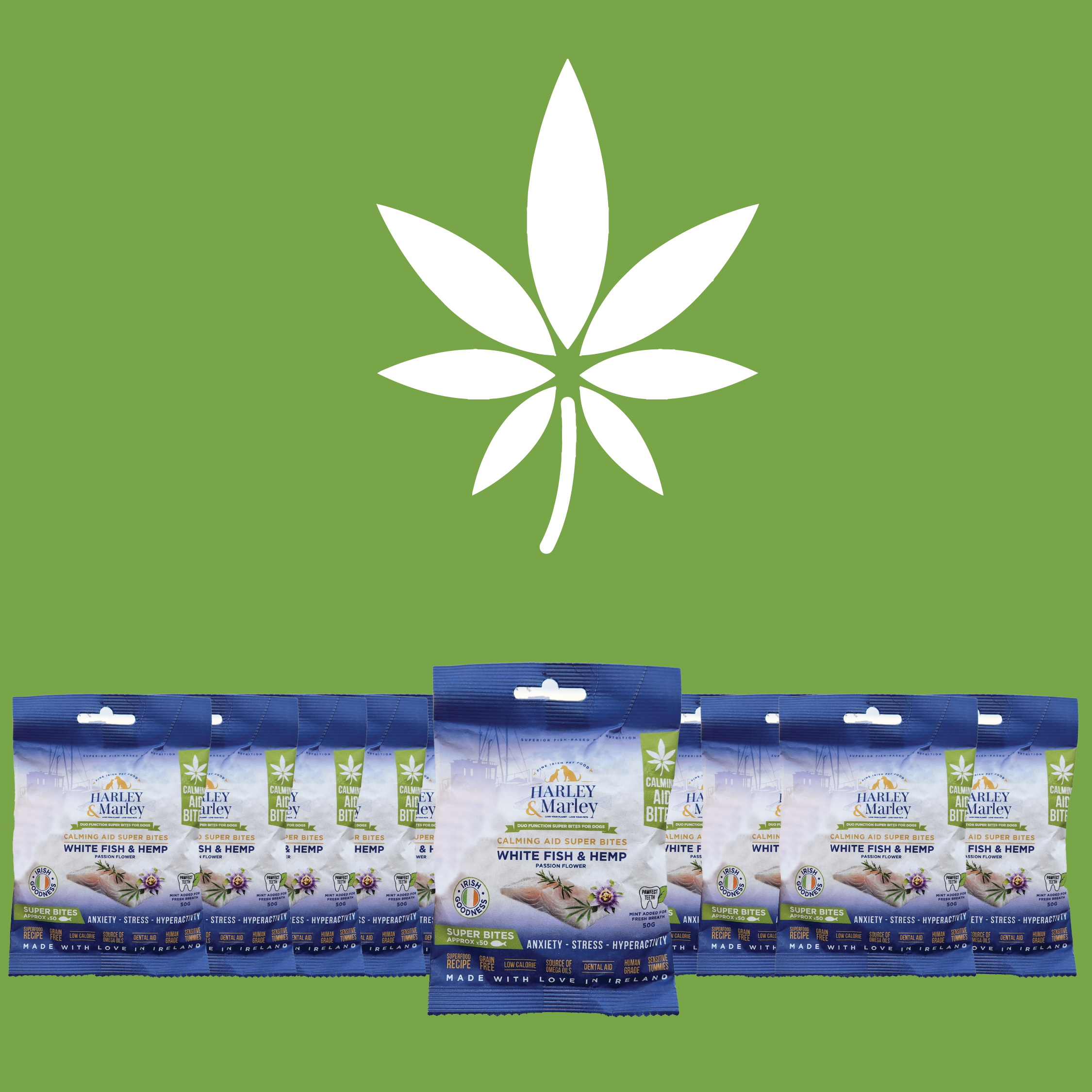
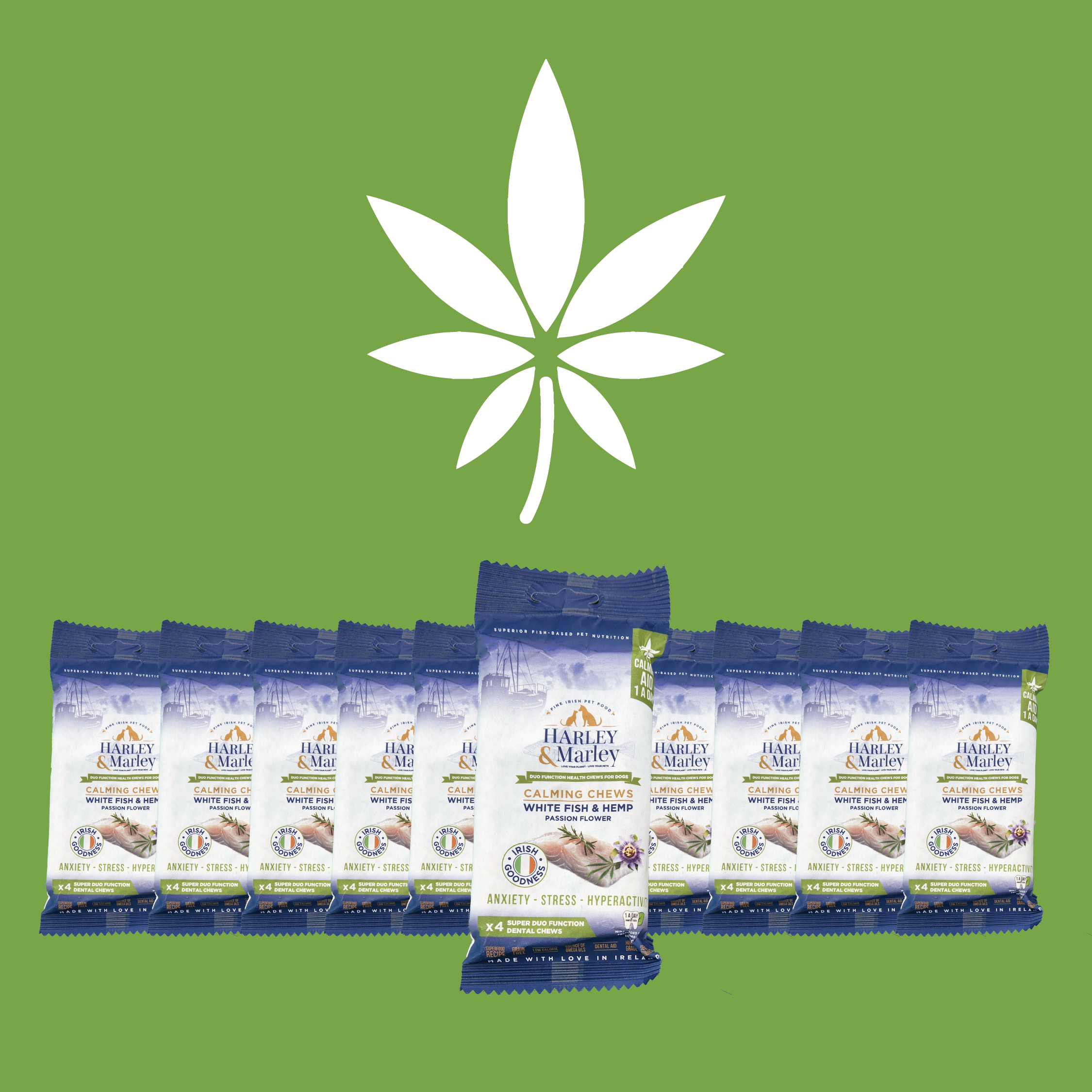
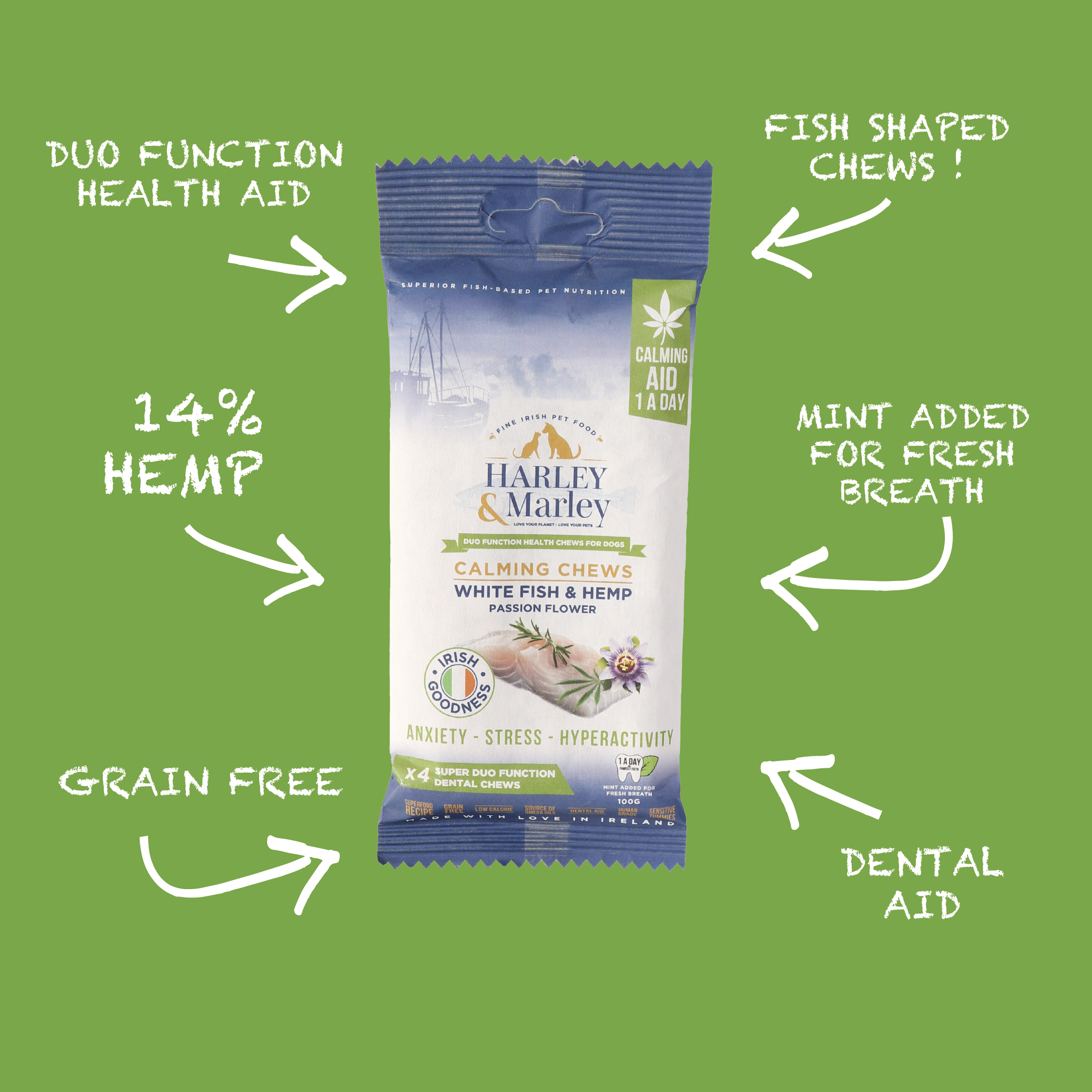
For an added dietary option, Harley & Marley also offers Fish Oil. Chews & Bites, Bundles for Dogs and a Monthly food box are available too, alongside Towels & Toys.
Frequently Asked Questions
What Causes Shedding in Dogs?
Most shedding comes from the normal replacement of old hairs as a dog’s coat renews itself. Breed, coat type, age and seasonal changes influence how much fur you notice; a double-coated dog may release more loose undercoat than a short-coated dog. A sudden change, bald patches or irritated skin points beyond routine moulting and deserves veterinary attention. Note when it began and any other symptoms.
Why Do Dogs Shed?
Dogs shed as individual hairs reach the end of their growth cycle and make way for new coat. Temperature and daylight changes can also affect the coat, while puppies lose their softer fur as they mature. The pattern differs between dogs, so compare your pet’s shedding with its own usual pattern, not another dog’s. Keep a note of seasonal changes to recognise what is normal for them.
Can Nutrition Really Help Reduce Shedding?
Yes, appropriate nutrition supports healthy skin and hair, particularly when a dog’s diet is incomplete or unsuitable for their needs. Check the food label for a complete diet and follow its feeding guidance rather than adding individual nutrients by guesswork. A change in coat condition can take time to emerge. If your dog is losing hair alongside discomfort or visible skin changes, treat it as a health concern, not simply a diet issue.
Can switching to a better diet actually reduce shedding?
Switching to complete, balanced food can support coat condition when the previous diet wasn’t meeting a dog’s nutritional needs. If you’re exploring how to reduce dog shedding through diet, make changes methodically: record the current food, introduce the new food as directed, and avoid adding supplements at the same time. This makes it easier to notice how your dog responds and share useful details with your vet.
How Can I Prevent My Dog From Shedding?
You can’t prevent normal shedding, but you can manage loose fur. Brush your dog regularly with a tool suited to its coat, focusing on areas where loose hair gathers, such as the undercoat or behind the ears. Keep a grooming routine, clean bedding and provide fresh water. If shedding becomes unusually heavy or the skin changes, arrange a veterinary check rather than trying to stop the coat cycle.
How can I stop my dog from shedding so much?
You can’t stop a healthy dog’s normal coat cycle, but regular brushing can catch loose hairs before they spread. Choose a brush for your dog’s coat and work gently, especially around sensitive areas. Keep bathing measured, as frequent shampooing can dry the skin. If there’s a sudden increase, itching or hair loss in patches, arrange a veterinary appointment to investigate the cause rather than intensifying grooming.
Should I Worry About Shedding?
Steady shedding that matches your dog’s usual coat pattern is generally part of normal hair renewal. Take action if you notice bald spots, red skin, persistent itching, marked discomfort or a sudden increase outside the usual seasonal pattern. Write down when symptoms started and note changes to food, treats or grooming. That record gives your vet practical context and can help distinguish routine moulting from a problem needing treatment.
What Causes Your Dog to Shed Hair?
Hair loss can reflect normal moulting, seasonal coat changes or a puppy developing adult fur. It can also be linked to allergies, parasites, infections or hormonal problems; nutritional deficiencies are less common in otherwise healthy dogs eating complete commercial food. A vet may assess the skin and coat and, depending on the signs, use samples or blood tests to investigate. Patchy loss or persistent itching warrants prompt attention.