


What if the secret to your puppy's lifelong health wasn't just in the bowl, but in how you transition their very first meals? A puppy's stomach isn't just a digestive organ; it's a delicate ecosystem that dictates their vitality and long-term well-being. Learning how to switch puppy food without upsetting stomach is the most critical skill a new owner can master to prevent discomfort and those dreaded midnight accidents on the kitchen floor.
It's natural to feel anxious about changing your companion's routine, especially when conflicting advice makes a simple task feel overwhelming. We believe that nutrition should be a source of joy, not stress. This expert guide provides you with a masterclass in seamless dietary transitions, ensuring your puppy maintains firm stools and vibrant energy throughout the process. We'll examine why gentle, fish-based proteins offer the lowest-friction path for sensitive systems and provide a precise, repeatable 14-day plan to move from their old kibble to a superior, grain-free alternative with absolute confidence. By the end, you'll have a thriving puppy and the peace of mind that comes from making an informed, ethical choice for their growth.
Key Takeaways
- Understand the biological complexity of the canine microbiome and why sudden dietary shifts can disrupt your puppy’s delicate internal balance.
- Master a proven 7-day transition protocol on how to switch puppy food without upsetting stomach by using a precise, staged mixing method.
- Discover why fish-based, grain-free proteins act as a gentle alternative for sensitive systems, reducing the workload on your puppy’s developing organs.
- Learn to distinguish between normal digestive adaptation and clinical signs of upset using our professional troubleshooting "24-hour rule".
- Gain the confidence to implement a repeatable transition plan that ensures your puppy maintains firm stools and high vitality throughout their growth.
Understanding the Delicate Nature of the Puppy Microbiome
The canine microbiome is a sophisticated ecosystem of trillions of bacteria residing within your puppy's gut. This internal environment is far more than a simple digestive aid; it is a foundational pillar of their overall health. A puppy's body is remarkably efficient, as their digestive enzymes are specifically adapted to the molecular structure of their current diet. When you introduce a new protein or carbohydrate source, these enzymes and bacteria require time to recalibrate. A "cold turkey" approach, where one food is abruptly replaced by another, often causes a biological shock to this system. A gradual transition is not merely a suggestion; it is a physiological necessity to ensure the microbiome remains balanced whilst adapting to new puppy nutritional needs.
Omega-3 fatty acids play a vital role during this period of change. These essential fats act as a natural anti-inflammatory agent, soothing the intestinal lining and reducing the risk of gut wall irritation. Understanding how to switch puppy food without upsetting stomach involves respecting these biological boundaries. By providing a slow, methodical introduction, you allow the gut's bacterial population to shift harmoniously, preventing the inflammatory response that leads to digestive distress.
Why Puppies React Differently to Food Changes
Dogs under 12 months possess a gastrointestinal tract that is still very much under construction. It is highly permeable and significantly more sensitive to ingredient shifts than an adult dog's system. External factors often compound this internal sensitivity. The stress of moving to a new home, beginning a socialisation programme, or even intensive training sessions can divert energy away from digestion. When a rapid ingredient shift occurs amongst these stressors, the result is often a sudden change in stool consistency or frequency, signalling that the gut is overwhelmed.
The Link Between Protein Complexity and Upset Stomachs
Land-based meats, such as beef or chicken, often feature heavy, complex molecular structures that demand significant metabolic effort to process. In contrast, fish proteins are lighter and highly digestible, which reduces the immediate workload on the pancreas and upper intestine. Grain-free options further support this process by minimising the fermentation load in the lower intestine, effectively preventing the gas and bloating associated with many traditional fillers. The microbiome is the engine room of puppy immunity. By choosing gentle, clean-label ingredients, you ensure this engine runs smoothly during every stage of your puppy's development.
The Definitive 7-Day Puppy Food Transition Protocol
Transitioning your puppy to a new diet is a scientific process rather than a simple swap of bowls. A structured approach allows the gut's bacterial population to shift without triggering a defensive inflammatory response. Knowing how to switch puppy food without upsetting stomach requires patience and a precise mixing strategy over the course of a week. This timeline gives the digestive enzymes sufficient time to adapt to new protein structures and fibre levels, ensuring a seamless move to high-quality nutrition.
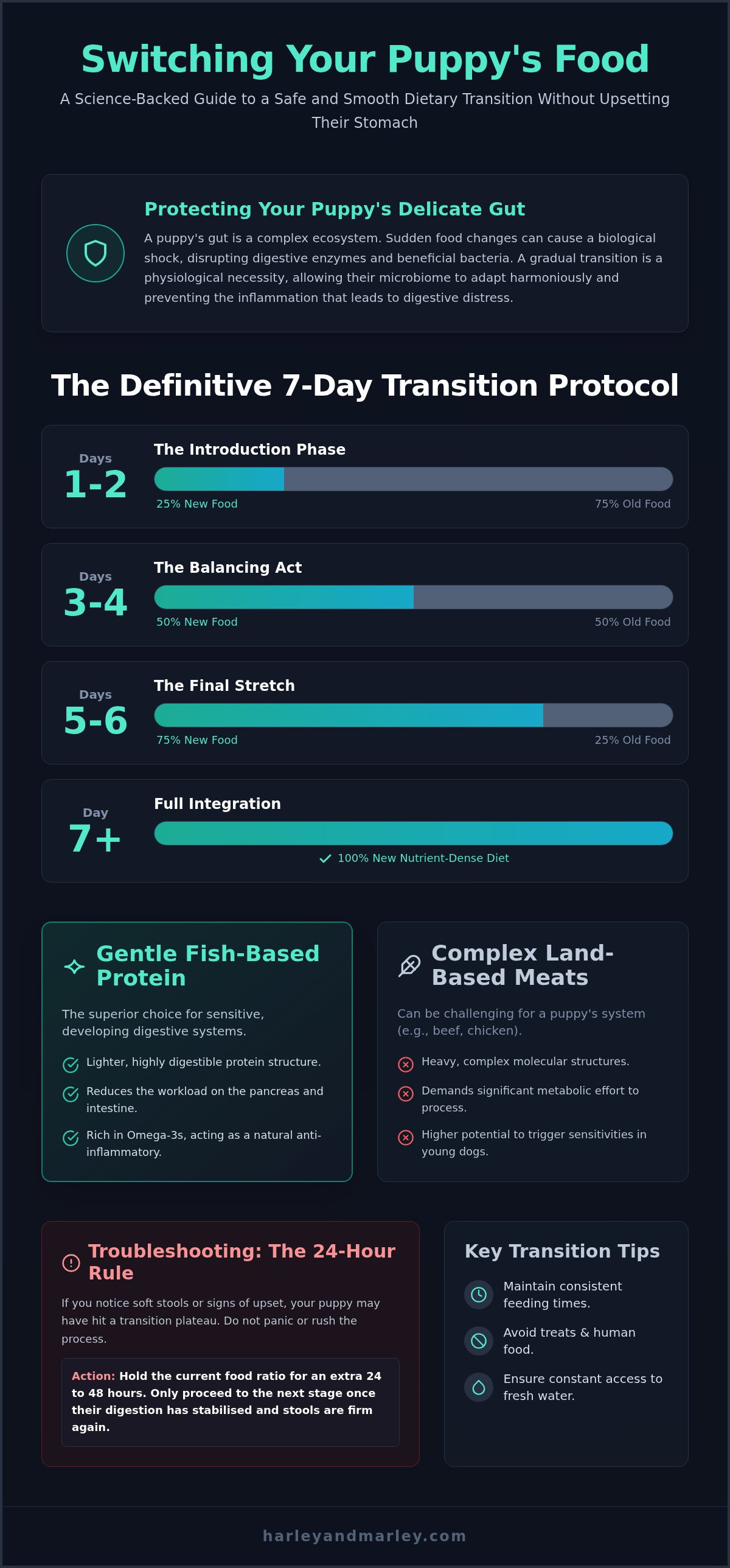
- Day 1-2: The Introduction Phase. Mix 25% of the new food with 75% of the old food. This stage is about scent and initial enzymatic recognition.
- Day 3-4: The Balancing Act. Move to a 50/50 split. By now, the microbiome should be starting to recalibrate to the new ingredients.
- Day 5-6: The Final Stretch. Increase the ratio to 75% new food and 25% old food. Watch for consistent energy levels and firm stools.
- Day 7: Full Integration. Your puppy is now ready for 100% of their new, nutrient-dense diet.
Adjusting the Pace Based on Your Puppy’s Response
Not every puppy follows a perfectly linear path. If you notice soft stools on day three, you've likely hit a transition plateau. Don't rush to the next stage; instead, hold the current ratio for an extra 24 to 48 hours until their digestion stabilises. Maintaining consistent feeding times is equally vital for success. Routine provides metabolic predictability, which reduces the physiological stress on the gastrointestinal tract. During this critical week, avoid introducing extra treats or human food. These variables can cloud your assessment and make it harder to identify if the new food is being well-received by their system.
Hydration and Digestive Support
Hydration is the silent partner of successful digestion. Fresh, clean water helps fibre move efficiently through the lower intestine, preventing constipation or sluggishness during the switch. You might notice your puppy drinking slightly more as their metabolism adjusts to a cleaner, fish-based protein source. If palatability is a concern, consider using fish-based toppers to entice them without adding heavy fats that could trigger an upset. For those looking to streamline this process, a monthly food box ensures you always have the right quantities on hand to maintain a steady, uninterrupted feeding routine.
Why Fish-Based Nutrition is the "Gentle" Choice for Transitions
Many owners view fish as a secondary flavour, but in the context of a dietary shift, it is a strategic nutritional tool. Fish proteins are inherently highly digestible, featuring delicate connective tissues that break down more readily than land-based meats. This high bioavailability significantly reduces the metabolic workload on the pancreas, an organ that can become easily stressed during a sudden food change. Learning how to switch puppy food without upsetting stomach starts with choosing the right protein source to simplify the digestive process.
The natural abundance of Omega-3 fatty acids in fish-only diets provides a direct, functional benefit to the gastrointestinal tract. These essential fats act as a soothing agent for gut wall inflammation, creating a protective environment whilst the internal microbiome begins its recalibration. This is especially important during the middle stages of a transition when the gut is most reactive. Because marine proteins are naturally lower in common allergens like chicken or beef, they offer a "clean label" alternative for puppies with sensitive systems. Whilst the internal system adapts, the high fish oil content also supports the skin barrier and coat health, ensuring your puppy remains comfortable and vibrant throughout the transition.
Comparing Land Proteins vs. Marine Proteins
Marine proteins often achieve superior digestibility scores compared to red meats in controlled puppy trials. This is largely because fish muscle fibres are shorter and easier for young enzymes to penetrate and absorb. This efficiency ensures that nutrients are utilised for lean muscle growth rather than being lost to the digestive process. The amino acid profile of fish is exceptionally bioavailable, supporting the rapid skeletal and brain development that occurs in the first twelve months of life. When you evaluate the quality of ingredients, looking for a premium puppy food Ireland provides a benchmark for excellence in regional sourcing and biological appropriateness. Fish is the gentle choice for a developing gut.
The Grain-Free Advantage for Sensitive Paws
Fillers like maize, wheat, and barley are often used to bulk out standard kibble, but they can trigger digestive "bloat" in developing puppies. These heavy carbohydrates tend to ferment in the lower intestine, leading to excessive gas and the discomfort of loose stools. A grain-free formulation removes these triggers, resulting in firmer, smaller stools and a more stable energy curve. For puppies that suffer from persistent itching or red paws, moving to a poultry free dog food Ireland often provides the solution by eliminating the hidden poultry proteins that frequently cause hidden intolerances. Firm stools are the goal of every successful transition.
Troubleshooting: What to do if things go wrong
Even with a meticulous plan, every puppy’s biology is unique. Understanding how to switch puppy food without upsetting stomach involves knowing when to hold the line and when to adjust your pace. A slight change in stool consistency is common during the first few days; think of it as "soft-serve" rather than liquid. If your puppy is still playful and drinking water, apply the 24-hour rule. This means maintaining the current food ratio for an extra day to allow the gut to catch up. If stools remain liquid after 24 hours, revert to the previous day’s successful ratio immediately.
Most issues are minor, but certain red flags demand a veterinary consultation. Contact your vet if you see blood in the stool, persistent vomiting, or a sudden onset of lethargy. If your puppy refuses to drink water or appears tucked up in the abdomen, don't wait. These signs suggest a deeper issue beyond a simple dietary transition, such as an underlying infection or a severe intolerance that requires professional intervention.
Managing Soft Stools and Flatulence
A small amount of flatulence is actually a sign that gut bacteria are beginning to organise and adapt to new nutrients. It is the sound of a microbiome in flux. If the transition feels a bit rocky, consider a "bland day" where you remove all treats and chews, focusing solely on the core meal mix. This reduces the number of variables the stomach has to process. For a more detailed breakdown of digestive recovery, consult our guide on dog food for dogs with loose stools Ireland to ensure you are supporting their recovery correctly.
Dealing with a Fussy Puppy During the Switch
Some puppies are remarkably adept at picking out their old kibble and leaving the new pieces behind. This behaviour is usually driven by familiarity rather than a dislike of the new recipe. To counter this, try the "warm water trick". Adding a splash of warm water to the bowl releases the natural, rich aromas of fish-based nutrition, making the new pieces irresistible. Hand-feeding during this week can also reduce environmental stress, turning mealtime into a bonding exercise that builds trust. If you want to ensure a steady supply of high-quality nutrition during this phase, explore our Puppy Complete Food for a transition designed for sensitive systems.
Preparing for Success with Harley & Marley Puppy Complete
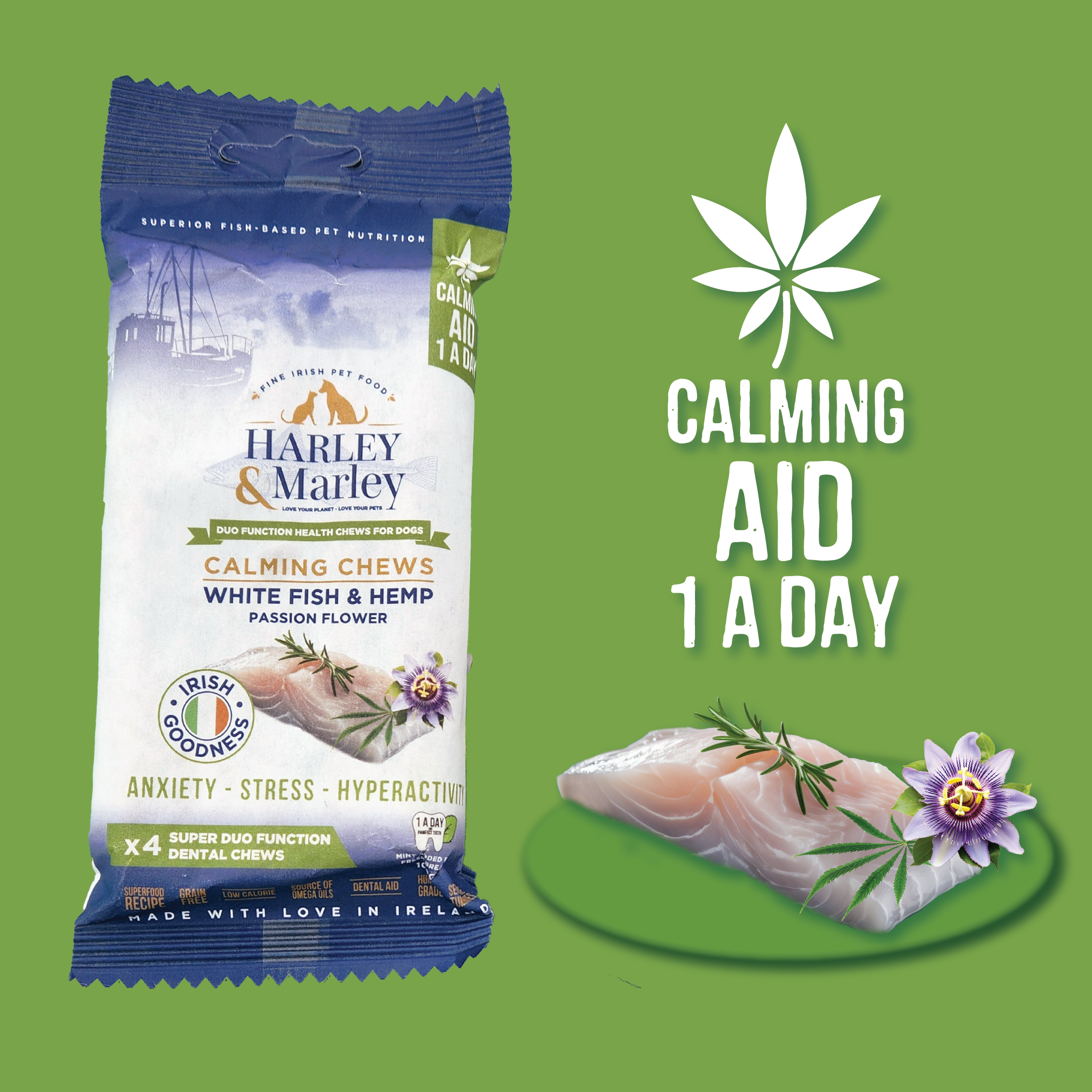
Choosing the right nutritional foundation is the final piece of the puzzle when mastering how to switch puppy food without upsetting stomach. Our Puppy Complete Food range, featuring 71% fish including freshly prepared Irish trout and haddock, is designed specifically to act as this foundation. It provides a seamless bridge from early developmental stages to robust growth. By focusing on a clean-label, fish-only recipe, we eliminate the complexity that often leads to digestive distress. Every bag represents a commitment to purity and scientific formulation, ensuring your puppy receives the exact nutrients they need without the fillers they don't.
Provenance is at the heart of everything we produce. As an Irish-owned business, we take immense pride in our "fresh from the coast" quality. Our ingredients are traceable back to individual boats and skippers, ensuring that the trout and haddock in your puppy's bowl are as fresh as the day they were caught. This level of transparency creates an atmosphere of trust; you aren't just feeding your pet, you're investing in a sustainable circular economy that respects the Irish marine environment whilst prioritising your puppy's vitality. Freshness is our standard, not an optional extra.
The Benefits of Our Fish-Only Philosophy
Traditional pet foods often rely on heavy land-based proteins or vague "meat meal" that can trigger hidden sensitivities. Our fish-only philosophy ensures there are no hidden by-products to disrupt a sensitive system. This grain-free approach reduces the fermentation load in the gut, leading to the firm stools and high energy levels we discussed in our transition protocol. For owners of bigger companions, our large breed dog food Ireland guide offers specific insights into managing the unique growth curves of larger skeletal structures, all while maintaining the same gentle digestive standards. We believe in minimal intervention for maximum health.
Starting Your Journey with a Subscription
Consistency is the greatest gift you can give a developing gastrointestinal tract. Emergency trips to the local shop for a different brand because you've run out of kibble are a primary cause of avoidable stomach upsets. Our monthly food box eliminates this risk entirely. By choosing a dog food subscription Ireland, you ensure a steady, uninterrupted supply of the nutrition your puppy has worked hard to adapt to. This reliability builds informed confidence in your feeding routine, allowing you to focus on the joy of watching your puppy thrive. Browse our full puppy range today and take the first step toward a lifetime of holistic health and coastal freshness.
Empowering Your Puppy’s Nutritional Future
Mastering how to switch puppy food without upsetting stomach is a fundamental step in fostering a lifetime of holistic health. Respect the microbiome. By adhering to our methodical 7-day transition protocol, you ensure that your puppy’s internal ecosystem remains balanced and resilient. Choosing a gentle, fish-based protein source further reduces metabolic stress. This allows for firm stools and consistent energy levels whilst their system adapts to new, premium ingredients.
At Harley & Marley, we provide award-winning Irish fish-based nutrition through our grain-free and hypoallergenic recipes. Our Puppy Complete Food is formulated with scientific precision. It ensures a clean-label transition for even the most sensitive systems. Explore our Puppy Complete range and start your gentle transition today; we also offer free delivery on subscription orders to ensure your feeding routine remains consistent and uninterrupted.
You've now got the expert tools and a simple, repeatable plan. Navigate this nutritional milestone with absolute confidence. We look forward to supporting your puppy as they grow into a healthy, thriving adult.
Frequently Asked Questions
How long does it take for a puppy’s stomach to adjust to new food?
It typically takes between 7 and 14 days for a puppy’s gastrointestinal tract to fully adapt to a new nutritional profile. This window allows the digestive enzymes to recalibrate and the bacterial populations within the microbiome to shift harmoniously. Rushing this process can lead to acute inflammation of the gut wall. By following a structured 7-day or 10-day timeline, you provide the biological space necessary for a stable, comfortable transition.
Can I switch puppy food brands immediately if the old one makes them sick?
You should avoid an immediate switch unless a veterinary professional specifically advises it for an acute allergy or medical emergency. Abruptly stopping one food and starting another often compounds digestive distress rather than solving it. If the current food is causing mild issues, try slowing down the transition or holding the current ratio for several days. This allows the system to settle before you introduce more of the new ingredients.
What are the most common signs that puppy food is being switched too fast?
The most frequent indicators of a rushed transition include loose stools, excessive flatulence, and a sudden loss of appetite. Some puppies may also appear lethargic or exhibit a "tucked up" abdomen due to cramping. Understanding how to switch puppy food without upsetting stomach means watching for these subtle cues daily. If these symptoms persist for more than 24 hours, it is a clear signal that the microbiome is overwhelmed and requires a slower pace.
Is it better to mix wet and dry food when switching diets?
Maintaining consistency is more important than the texture of the food itself. If your puppy is accustomed to a dry kibble, it is best to transition them to a high-quality dry alternative like our Puppy Complete Food. Introducing wet food simultaneously adds another variable that can complicate the digestive response. If you do choose to mix textures, ensure both the wet and dry components are introduced gradually to avoid overtaxing the system.
Should I give my puppy probiotics during a food transition?
Probiotics can be an excellent supportive tool during a dietary change. These beneficial bacteria help to reinforce the gut barrier and maintain a healthy balance amongst the existing microbiome. Whilst not strictly mandatory for every puppy, they can reduce the likelihood of soft stools in particularly sensitive breeds. Always choose a high-quality canine-specific probiotic and start the course a few days before you begin the food transition for maximum efficacy.
What happens if my puppy refuses to eat the new food mix?
If your puppy is hesitant, avoid the temptation to constantly swap brands, as this creates a "fussy" eater and further upsets the stomach. Instead, try adding a small amount of warm water to the kibble to release the natural aromas of the fish. You can also try hand-feeding a few pieces of the new mix during training sessions to build positive associations. This approach encourages acceptance without the stress of a confrontation at the bowl.
Can I switch from a meat-based food to a fish-based food directly?
Moving from a meat-based diet to a fish-based one requires the same 7-day protocol as any other change. Land-based proteins have a different molecular structure and amino acid profile compared to marine proteins. When learning how to switch puppy food without upsetting stomach, you must allow the digestive enzymes time to recognise these new structures. A staged introduction ensures that the "gentle" benefits of fish are realised without an initial period of digestive shock.
Why does my puppy have smelly gas after changing their diet?
Smelly gas is usually a result of bacterial fermentation in the lower intestine as the microbiome adapts to new fibre sources or proteins. As the gut bacteria re-organise to process the new ingredients, they produce different gases as a metabolic byproduct. This is typically a temporary phase that should resolve within four to five days. If the flatulence is accompanied by bloating or pain, it may indicate that the transition ratio is moving too quickly.