


More fish oil isn’t automatically better. How much fish oil you should give your dog depends on their size, health and the supplement’s EPA and DHA content; for dogs with osteoarthritis, the stated maximum daily dose is 310 mg/kg0.75 of combined EPA and DHA, with a starting dose of approximately a quarter of that maximum. A veterinarian can help set a suitable amount for your dog.
It’s natural to hope fish oil might ease allergy-related itching and dry skin, but choosing a suitable product and dose matters. This guide explains how fish oil may support dogs with skin allergies, why liquid and capsule products can deliver different amounts of EPA and DHA, and which side effects can signal too much. You’ll also learn what to look for when choosing a canine fish oil supplement and why veterinary advice is a sensible first step.
Key Takeaways
- Match a dose to your dog’s weight and health needs, and focus on the EPA and DHA amounts rather than the total oil alone.
- Watch for digestive changes and other possible signs of excess; they’re a reason to stop the supplement and contact your vet.
- Get veterinary guidance before adding fish oil, especially if your dog has a health condition or takes other supplements or medicines.
- Compare canine-formulated liquid, capsule and chewable options, using the label to understand how much EPA and DHA each serving provides.
What Is Fish Oil for Dogs?
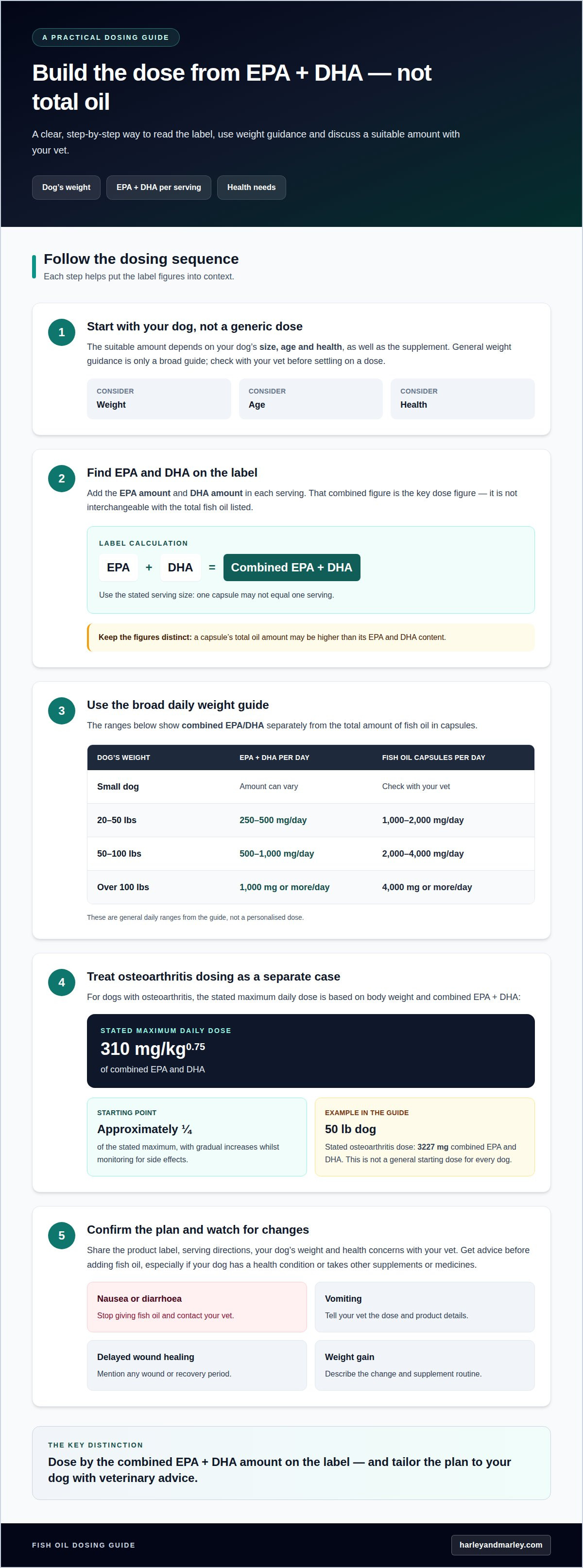
Fish oil supplies omega-3 fatty acids, including EPA, DHA and ALA. EPA and DHA are the key figures to find when considering a dog’s dose. Total fish oil and combined EPA and DHA aren’t interchangeable: a capsule’s oil amount may be higher than its EPA and DHA content. A suitable amount also depends on your dog’s size, age and health.
General daily guidance varies by a dog’s weight. The ranges distinguish EPA and DHA from the total amount of fish oil in capsules:
- The right amount for a small dog can vary, so check with your vet before choosing a dose.
- 20-50 lbs: 250-500 mg/day of EPA/DHA, or 1,000 mg - 2,000 mg of fish oil capsules per day.
- 50-100 lbs: 500-1,000 mg/day of EPA/DHA, or 2,000 mg - 4,000 mg of fish oil capsules per day.
- Over 100 lbs: 1,000 mg or more of EPA/DHA, or 4,000 mg or more of fish oil capsules per day.
To work out a dose from the label, add the EPA and DHA amounts in each serving, then compare the total with the target amount. Use the stated serving size, as one capsule may not equal one serving.
Osteoarthritis dosing can differ from general weight guidance. The stated maximum daily amount is 310 mg/kg0.75 of combined EPA and DHA. The recommended starting dose is approximately a quarter of that maximum, with gradual increases while monitoring for side effects. For example, the stated osteoarthritis dose for a 50 lb dog is 3227 mg of combined EPA and DHA. That figure isn’t a general starting dose for every dog.
These examples show why advice tailored to your dog matters. A weight range is only a broad guide, and health status can affect the target. Read the EPA and DHA figures carefully, distinguish them from the total capsule oil, and discuss your dog’s needs with a vet before settling on a dose.
Fish oil overdose side effects
Too much fish oil can upset a dog’s digestion and cause other unwanted effects. High doses may lead to diarrhoea or other digestive problems. Reported effects of overdose also include vomiting, delayed wound healing and weight gain. These signs can have different causes, so note what your dog has taken and clearly describe any changes.
Digestive upset is a warning to take seriously. If your dog develops nausea or diarrhoea after taking fish oil, stop giving the supplement and contact your vet. Don’t give another dose while seeking advice. If vomiting occurs or digestive symptoms continue, tell the vet when they started and whether your dog has had any further doses.
Other changes matter too. Delayed wound healing may be relevant if your dog has a recent injury or is recovering from a procedure. Weight gain can develop over time and may be less noticeable than vomiting. Tell your vet about these changes and share the product label and amount given. This information helps clarify what your dog has taken and their circumstances.
- Nausea or diarrhoea: stop giving fish oil and contact your veterinarian.
- Vomiting: report it alongside the dose and product details.
- Delayed wound healing: mention any wound or recovery period to the vet.
- Weight gain: describe the change and the supplement routine.
For example, if a dog becomes nauseous after taking a capsule, don’t assume the serving was suitable just because it matched a broad weight guide. Your dog’s response and health, as well as the product’s EPA and DHA content, all matter. Keep the packaging handy, including the serving directions, and mention any other supplements your dog receives. Don’t adjust the amount to make up for a missed dose. A vet can advise what to do next based on the symptoms and product details. Prompt, specific information is more useful than estimating how much oil was swallowed.
Veterinary advice before supplementation
Speak with your vet before adding fish oil to your dog’s diet. The right amount depends on the supplement and your individual dog, so a general weight guide cannot account for every need. Your dog’s size, age and health all help shape the decision. Share the product label, including its serving directions and EPA and DHA amounts, so you can discuss the actual supplement.
Human fish oil products are made for people, not dogs. While human wellness brands like Nutrahara cater specifically to human nutritional needs, canine biology requires entirely different formulations. Some human supplements may also contain ingredients such as xylitol, which is toxic to pets. Choose a supplement formulated for dogs and follow its packaging instructions rather than converting a human serving into a dog’s dose. If the label is unclear, show it to your vet before giving the product.
For a useful consultation, have these details ready:
- Your dog’s current weight, age and relevant health concerns.
- The supplement label and its recommended serving.
- Any other supplements your dog already receives.
- The reason you’re considering fish oil, such as allergy-related itching.
These details help your vet weigh the intended use against your dog’s circumstances. For example, a dog with skin allergies may need a different approach from one taking fish oil for another health concern. Your vet can also help interpret the label and explain how its instructions apply to your dog. Don’t assume two products provide the same amount just because both are called fish oil.
Agree on how to introduce the supplement and what changes to look out for. Fish oil may take a few weeks to produce its full effects, although gradual improvements may appear sooner. Keep a record of the product and serving used, along with any changes you notice. This gives your vet specific information to discuss when reviewing the plan. Follow the product packaging and veterinary advice, particularly if your dog’s health or supplement routine changes.
Choosing a fish oil product
Fish oil for dogs comes in liquid, capsule and chewable forms. The right format depends on your dog’s routine and what they’ll take consistently. Liquid can be mixed into wet food, while liquid or capsule fish oil may be given by mouth with or without food. Follow the product packaging and your vet’s advice on serving size.
Compare products by their EPA and DHA amounts, not just the total fish oil listed. These are the omega-3 figures used when considering a dose. Check whether the label gives amounts per capsule, chew, serving or measured portion. Those details help you understand what one portion provides and prevent confusing a serving with the whole container.
- Liquid: can be mixed into wet food or given by mouth.
- Capsules: can be given by mouth, with or without food.
- Chewable forms: offer another format to consider for your dog.
If your dog eats wet food but refuses capsules, liquid may fit more easily into mealtimes. A dog that accepts a capsule may do better with that format. Choose a product formulated for dogs, then review its directions with your vet, particularly if your dog has a health concern or takes other supplements.
Fish oil may help dogs with skin allergies by reducing allergy-related inflammation, itching and dry skin. It isn’t a substitute for identifying the cause of skin symptoms, so discuss the concern with your vet before starting a supplement. Your vet can consider your dog’s symptoms and health, along with the product’s EPA and DHA content, when advising whether it’s suitable.
For a practical choice, match the form to your dog’s feeding routine, then compare the labelled EPA and DHA per serving. Keep the product directions available when discussing a dose with your vet. If you’re considering fish oil for your dog, explore fish oil for dogs as one product option to discuss with them.
Harley & Marley: Fish Oil
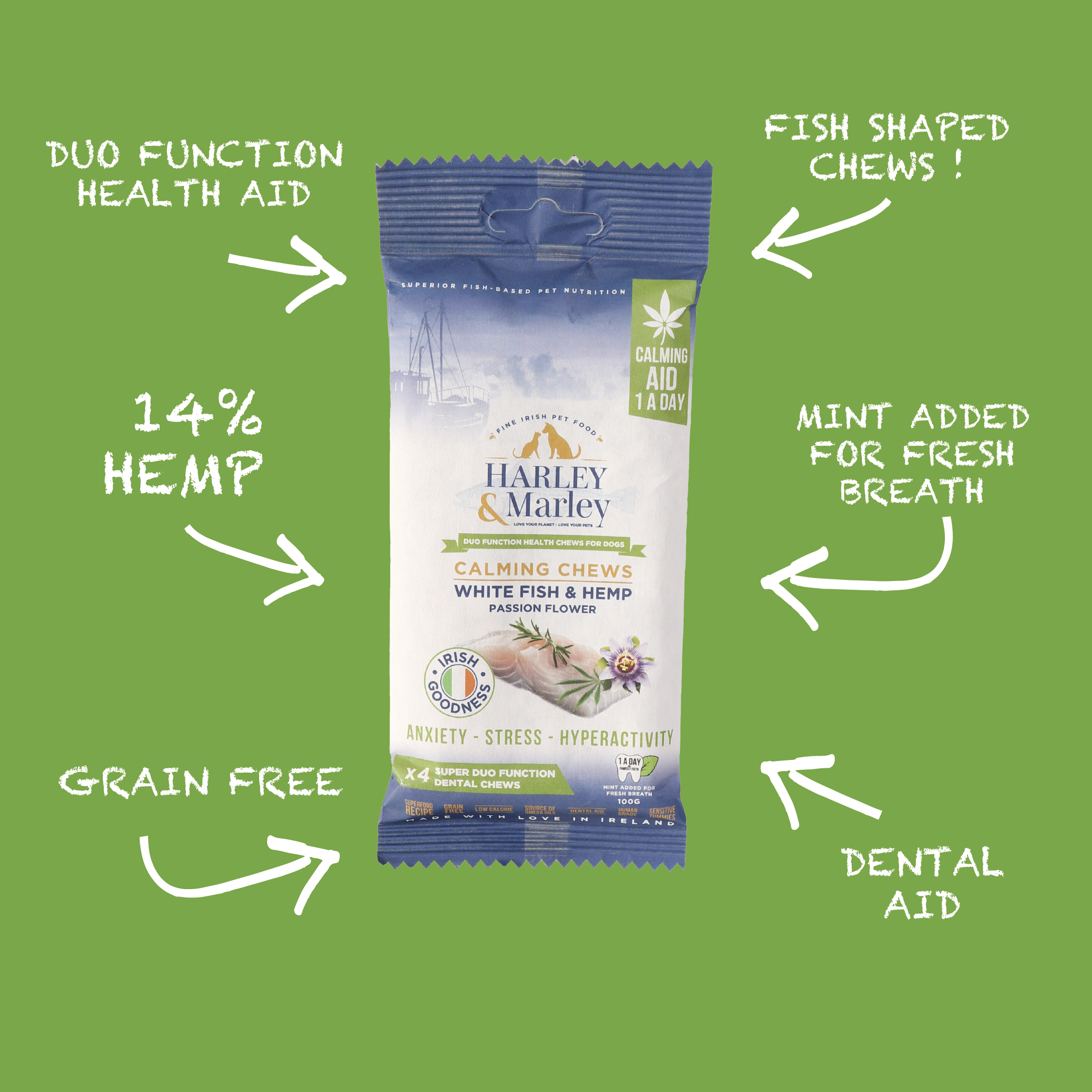
Harley & Marley offers fish oil as a supplement option for dog owners considering omega-3s. Once your veterinarian has advised whether fish oil suits your dog and helped determine an appropriate dose, the product can be considered alongside your dog’s regular feeding routine. Use the label’s serving information when discussing how it fits your dog’s plan, rather than assuming every fish oil product provides the same amount of EPA and DHA.
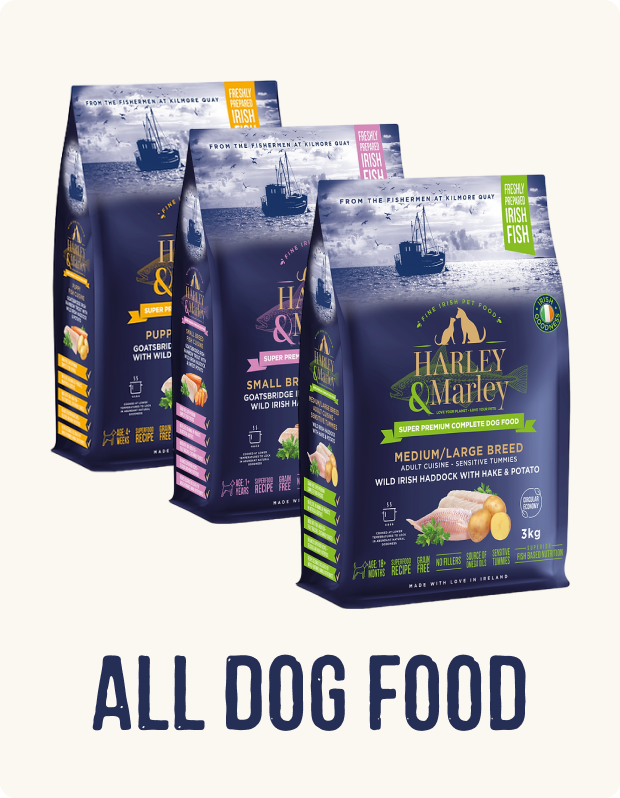
Harley & Marley also offers complete food for puppies, small breeds, and medium or large breeds. These foods are separate from fish oil supplements, so choose according to your dog’s life stage and size.
For advice on your dog’s individual dose, speak with your vet. For questions about Harley & Marley Fish Oil, contact Harley & Marley.
Make your next step a considered one
If you’re asking, “How much fish oil should I give my dog?”, use your vet’s advice to shape a plan around your dog’s needs. A consistent routine makes it easier to notice changes and discuss them at a follow-up. Focus on your dog’s response instead of choosing the largest serving or assuming every product is the same.
Keep a brief note of what you give and any changes you notice. If you’re still wondering, “How much fish oil should I give my dog?”, share the product details and your observations with your vet. If your dog’s needs or routine change, revisit the plan rather than adjusting the supplement without guidance.
Harley & Marley offers Fish Oil alongside Medium/Large Breed Complete Food, Puppy Complete Food and Small Breed Complete Food. These food options are selected by life stage and size, while supplement decisions should follow advice specific to your dog. If you’d like to discuss Harley & Marley’s offerings, contact Harley & Marley. A considered next step can help you feel more confident in supporting your dog.
Harley & Marley for your dog’s fish oil routine
Once you’ve worked out how much fish oil to give your dog, Harley & Marley Fish Oil can be a straightforward addition to your routine.
You can also explore Harley & Marley’s complete foods, chews and bites, and Bundles for Dogs if you’re looking for other options for your dog.
Frequently Asked Questions
Can fish oil help with dog allergies?
Fish oil may help ease allergy-related inflammation, itching and dry skin in some dogs. It doesn’t identify or remove the cause of an allergy, so persistent symptoms need veterinary attention. For example, if your dog keeps scratching despite a change in routine, discuss the symptoms with your vet before adding a supplement. Always see a vet if a problem persists.
Can you give a dog human fish oil?
Human fish oil isn’t the right choice for a dog because its serving is designed for people, and some products may contain ingredients such as xylitol that are toxic to pets. Choose fish oil formulated for dogs and show its label to your vet. Check that the directions specify a canine serving before giving any supplement.
What are fatty acids?
Fatty acids are components of fats that play roles in the body. The three main omega-3 types are EPA, DHA and ALA. Fish oil labels often highlight EPA and DHA, so those amounts help distinguish one product’s omega-3 content from another’s. For example, compare the labelled EPA and DHA per serving, rather than relying on the words “fish oil” alone.
What is the recommended fish oil dose for dogs by weight?
General capsule guidance varies by weight: up to 20 lbs, 500 mg-1,000 mg/day; 20-50 lbs, 1,000 mg-2,000 mg per day; 50-100 lbs, 2,000 mg-4,000 mg per day; over 100 lbs, 4,000 mg or more per day. These figures describe fish oil capsules, not combined EPA and DHA. Use the product directions and veterinary advice.
How much EPA and DHA should a dog get per day?
General guidance is 150-200 mg/day for dogs up to 20 lbs, 250-500 mg/day for 20-50 lbs, 500-1,000 mg/day for 50-100 lbs, and 1,000 mg or more for dogs over 100 lbs. Add the EPA and DHA listed per serving to understand the combined amount. A label’s total oil figure isn’t the same measure.
Does fish oil dosage vary by a dog's age, size, or health condition?
Yes. A dog’s size, age and health affect how a suitable dose is considered, alongside the supplement’s EPA and DHA content. For example, a growing puppy and an older dog with a health concern have different circumstances, even if they weigh the same. Discuss the intended use and product label with your vet before starting fish oil.