


What if the secret to stopping that relentless scratching isn't found in a prescription bottle, but within your dog’s own biology? Watching your companion suffer with red, inflamed, or smelly paws is a distressing experience that often leads to a cycle of expensive, inconclusive vet visits. With the national average for a routine vet visit now exceeding $214 and allergy consultations reaching up to $2,500, pet owners are increasingly seeking a more sustainable, natural remedy for dog’s itchy paws. It’s exhausting to see your dog in constant discomfort, especially when topical treatments only seem to mask the symptoms temporarily.
We understand that you want more than just a quick fix; you want your dog to feel truly comfortable in their own skin. This article will help you identify the specific triggers behind paw irritation, ranging from environmental allergens to common dietary sensitivities. You’ll discover how to implement soothing home remedies whilst making the high-impact nutritional shifts necessary for long-term health. By focusing on purity and functional ingredients, we'll show you how to achieve calm paws and a vibrant, healthy coat through science-led, holistic care.
Key Takeaways
- Identify the specific indicators of paw irritation, from tell-tale redness to the distinct "yeasty" scent that signals a deeper issue.
- Explore five effective home soaks that serve as a fast-acting natural remedy for dog’s itchy paws, prioritising safety and immediate comfort.
- Implement a strategic walkies routine to neutralise environmental triggers before they enter your home and exacerbate your dog's discomfort.
- Discover how switching to a clean-label, poultry-free fish diet can lower your dog's inflammation threshold for lasting relief.
- Learn the science behind why high-quality Omega-3 fatty acids are essential for repairing the skin barrier and maintaining long-term paw health.
Identifying the Root Cause of Your Dog’s Itchy Paws
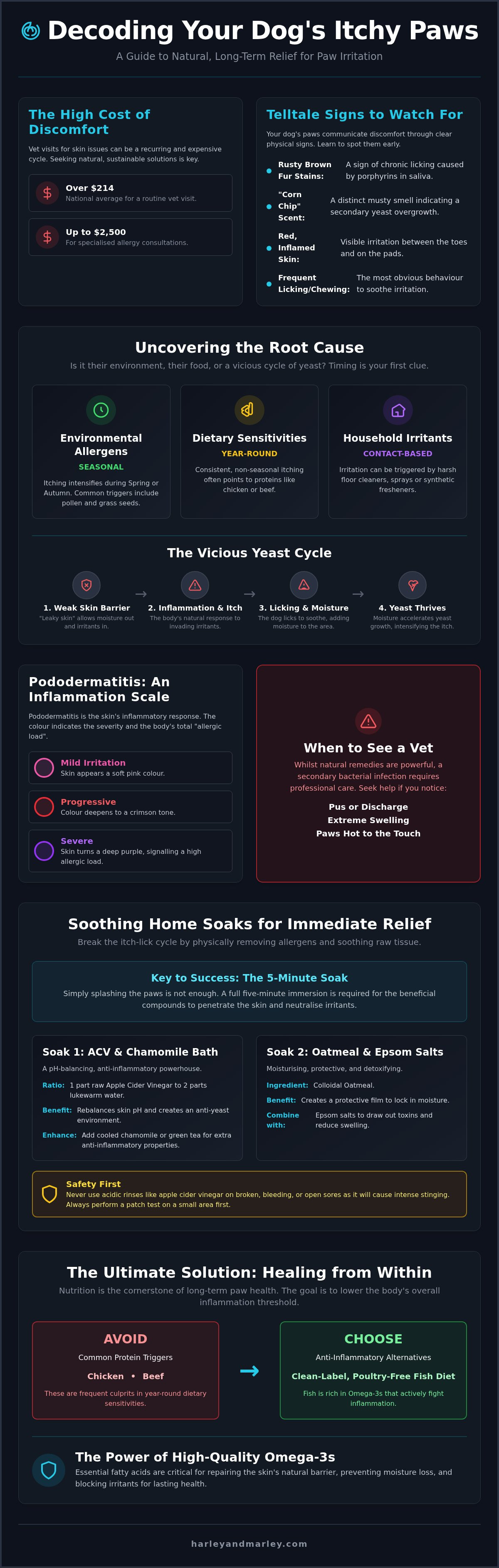
Effective treatment begins with precise observation. Before applying a natural remedy for dog's itchy paws, you must understand what your dog's body is communicating through its physical symptoms. Look for subtle shifts in behaviour. Frequent licking often leaves behind a rusty, brown staining on the fur, caused by porphyrins in the saliva. This isn't just a cosmetic issue; it's a reliable marker of chronic irritation. A distinct, musty smell, often likened to corn chips, typically indicates a secondary yeast overgrowth that has taken hold due to the constant moisture from licking.
Is it Allergies, Yeast, or Environmental Irritants?
Timing provides the first clue. If the scratching intensifies during spring or autumn, environmental allergens like pollen or grass seeds are likely the primary culprits. Conversely, year-round itching often points toward a dietary sensitivity, frequently triggered by common proteins like chicken or beef. Many dog skin disorders stem from a compromised skin barrier, sometimes referred to as "leaky skin." When this barrier fails, moisture escapes and irritants penetrate deeper, creating a vicious cycle of inflammation. This environment is perfect for yeast to thrive. Once a dog begins licking to soothe the itch, the added moisture accelerates fungal growth, leading to the "Yeast Cycle" where the licking itself makes the itch even more intense. Household irritants, such as harsh floor cleaners or synthetic carpet fresheners, amongst other chemical triggers, can also exacerbate this delicate state.
Recognising the Signs of Pododermatitis
Pododermatitis is the body's inflammatory response to various internal or external stressors. It's a clinical term, but the physical signs are easy to spot. Examine the skin between the toes and the pads carefully. Mild irritation often presents as a soft pink colour. As the condition progresses, the skin transitions to a deep crimson or even purple tone. This level of inflammation suggests a high internal "allergic load" that requires a systemic approach to resolve. Identifying these root causes is the first step toward finding a permanent natural remedy for dog's itchy paws that actually works.
Whilst natural interventions are powerful, you must recognise when the situation has escalated. If you notice pus, extreme swelling, or if the paws feel hot to the touch, a secondary bacterial infection may have taken hold. These complications often require professional intervention before you can return to a natural management plan. By understanding whether the trigger is a seasonal environmental factor or a consistent dietary issue, you can choose the most effective path toward long-term relief.
5 Natural Home Soaks to Provide Instant Relief
Whilst identifying root causes is vital, your dog needs immediate comfort. A topical natural remedy for dog's itchy paws can break the itch-lick cycle by physically removing allergens and soothing raw tissue. Success depends on "contact time." Simply splashing the paws isn't enough; the beneficial compounds need at least five minutes of immersion to penetrate the skin barrier and neutralise surface irritants. This duration allows the natural properties to interact with the skin effectively.
Safety is paramount. Never use acidic rinses like apple cider vinegar if the skin is broken, bleeding, or has open sores. This will cause intense stinging and significant distress. If your dog suffers from Atopic dermatitis (atopy), their skin is already hypersensitive, so always perform a patch test on a small area first. Once you've confirmed the skin is intact, these soaks can provide transformative relief.
Apple Cider Vinegar and Chamomile Tea Baths
Mix one part raw, unfiltered apple cider vinegar with two parts lukewarm water. This ratio rebalances the skin’s pH and creates an inhospitable environment for yeast. For "hot spots" or particularly angry areas, brew a strong pot of chamomile or green tea and let it cool completely. Use the tea bags as a cooling compress or add the liquid to the foot bath. Chamomile contains natural anti-inflammatory properties that soothe raw tissue. Ensure the paws remain submerged for a full five-minute dip to achieve the best results.
The Power of Colloidal Oatmeal and Epsom Salts
Colloidal oatmeal is a powerhouse for sensitive skin. It releases avenanthramides, which create a fine, protective film that locks in moisture and prevents further drying. Combine this with a tablespoon of Epsom salts to help draw out toxins and reduce swelling between the toes. To ensure your dog remains still, create a "paw spa" environment. Use a non-slip mat in the tub and offer high-value treats like nutritious fish-based bites to keep them calm whilst they soak.
After the soak, drying is the most critical step. Fungi and bacteria thrive in damp environments, so use a clean, absorbent towel to pat the paws dry thoroughly, paying close attention to the spaces between the pads. Avoid rubbing, which can further irritate the skin. For dogs with active flare-ups, these soaks are most effective when performed two to three times a week. This frequency keeps the microbial load low whilst allowing the skin barrier time to recover.
Environmental Paw-tocols to Reduce Daily Irritation
Vigilance regarding the pollen count is essential for dogs with seasonal sensitivities. On high-count days, it's best to keep your dog on the path and away from long grass where allergens are most concentrated. For owners of larger animals, breed-specific resilience is a key factor in managing these stressors; you can find more on this in our Large Breed Dog Food Ireland: The Ultimate Nutrition Guide 2026. Whilst dog boots offer the most comprehensive protection, many pets find them restrictive. A natural barrier wax is a sophisticated alternative, creating a breathable shield against salt, grit, and environmental chemicals without compromising your dog's comfort or gait.
Natural Balms and Protection Strategies
When selecting a protective balm, prioritise clean-label ingredients such as shea butter, beeswax, and coconut oil. If you are looking for high-quality, pure ingredients to complement these natural treatments, you can check out Balqees Honey for their selection of unfiltered products. These substances provide a robust physical barrier whilst simultaneously nourishing the pads. To ensure the balm has time to absorb, apply it immediately before a meal or a walk to provide a natural distraction. This proactive approach mirrors the advice found in various Natural Remedies for Itchy Dogs, which advocate for minimal chemical exposure and the use of non-toxic, skin-soothing components.
For owners who prefer professionally formulated organic options, essencera.pet provides clean-label grooming products that are gentle on sensitive paws and free from harsh synthetics.
Topical treatments like soaks and balms are excellent for providing immediate comfort, but they don't address the systemic drivers of inflammation. To find a permanent natural remedy for dog's itchy paws, you must move from external relief to internal resolution. Every dog has what specialists call an "Inflammation Threshold." Think of this as a bucket that fills with various stressors. Environmental factors like pollen or dust fill the bucket partially, but a pro-inflammatory diet often causes it to overflow, resulting in the red, itchy paws you see daily. By removing common dietary triggers, you lower the overall allergic load, allowing your dog's immune system to remain calm even when environmental challenges arise.
Many commercial foods labelled as "natural" still contain hidden skin-irritants that undermine your efforts. Vague ingredients like "animal derivatives" or "poultry fat" can keep your dog in a state of low-grade chronic inflammation. These additives are often the missing link for owners who feel they've tried every cream and shampoo without success. True healing begins when you simplify the intake and focus on functional, clean-label ingredients that support the skin barrier from the inside out.
The Link Between Poultry Allergies and Itchy Skin
Chicken is one of the most common allergens in canine nutrition, yet it's ubiquitous in treats and kibble due to its low cost. Many dogs diagnosed with "grass allergies" actually suffer from a primary poultry intolerance. When a dog has a sensitivity to poultry, the immune system overreacts, often manifesting as pododermatitis or chronic paw licking. Adopting a single-protein approach is the most effective way to eliminate these variables and stop the itch. For a deeper look at how bird-based proteins affect your dog, read our guide on Poultry-Free Dog Food in Ireland: Debunking the Chicken Myth for Sensitive Paws.
Omega-3 Fatty Acids: Nature’s Anti-Inflammatory
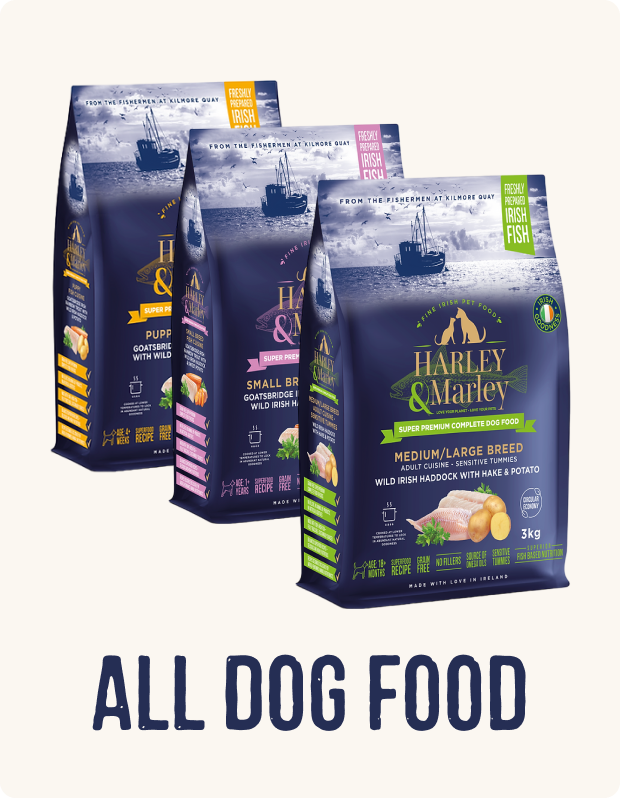
Start the transition toward lasting relief today by exploring our range of Grain-Free Dog Food, specifically formulated with pure fish protein to support dogs with sensitive skin and reactive paws.
Transforming Paw Health with a Fish-Based Diet
Fish is arguably the most bioavailable protein source for dogs with sensitive skin. Unlike land-based proteins that can be difficult to digest, fish provides high-quality amino acids that are easily absorbed and utilised by the canine body. This efficiency is critical when seeking a long-term natural remedy for dog's itchy paws. By providing the body with easily accessible nutrients, you support the repair of the skin barrier from the inside out. This isn't just about nutrition; it's about giving your dog the biological tools they need to stay comfortable.
Why Irish Fish is the Gold Standard for Sensitive Paws
Fresh, cold-water fish contains natural iodine and essential minerals that land-based meats often lack. These elements are vital for skin regeneration and maintaining the structural integrity of the paw pads. At Harley & Marley, we prioritise provenance and local craftsmanship, sourcing our fish sustainably from Irish waters to ensure a level of purity that processed meat meals cannot match. Choosing clean-label, Irish nutrition means your dog avoids the chemical residues and additives often found in mass-produced, imported pet foods. This focus on purity is what defines the Harley & Marley difference, offering a superior alternative to the status quo of the pet food industry.
Switching to a Clean-Label Routine
Eliminating grains and fillers is a crucial step in managing itchy paws. These ingredients often fuel yeast growth, leading to the "corn chip" smell and chronic irritation between the toes. Transitioning to a fish-based diet should be done methodically over seven days to ensure your dog's digestive system adapts comfortably to the new nutrient profile. Follow this simple progression:
- Days 1-2: Mix 25% fish-based food with 75% of the current diet.
- Days 3-4: Increase to a 50/50 split of both foods.
- Days 5-6: Move to 75% fish-based food and 25% of the old diet.
- Day 7: Transition to 100% fish-based nutrition.
Consistency is key to seeing results. Ensure even your rewards are compliant by choosing fish-based treats to guarantee the diet remains 100% poultry-free. This holistic approach lowers the inflammation threshold and acts as a powerful natural remedy for dog's itchy paws. For a deeper understanding of how functional ingredients support your pet, consult our Fish-Based Dog Food: The Ultimate Guide to Functional Canine Nutrition in 2026. Discover our range of premium fish-based dog food to soothe your dog’s skin and bring lasting relief to their paws.
Achieving Lasting Relief for Your Companion
Restoring your dog’s comfort requires a methodical approach that addresses both immediate symptoms and underlying biological triggers. By implementing strategic environmental protocols and utilising soothing home soaks, you can effectively manage external allergens. However, the most transformative natural remedy for dog's itchy paws is a shift toward internal health through precise nutrition. Addressing the inflammation threshold by removing common dietary irritants allows the skin barrier to regenerate, providing a long-term solution rather than a temporary fix.
True vitality begins with purity and high-quality sourcing. Our sustainably sourced, Irish-made nutrition is 100% poultry-free and grain-free, specifically formulated to be naturally rich in Omega-3 fatty acids for essential skin repair. You don't have to settle for the cycle of constant scratching and inconclusive treatments. Explore our range of hypoallergenic fish-based dog food for itchy skin to provide your pet with the functional nutrition they need to thrive. With the right care and a clean-label diet, your dog can return to a life of calm paws and joyful movement.
Frequently Asked Questions
How can I stop my dog from licking his paws naturally?
You can naturally discourage paw licking by applying soothing topical soaks, such as chamomile tea or diluted apple cider vinegar, which neutralise surface irritants. Providing high-value, fish-based chews also offers a healthy distraction whilst the skin heals. However, the most sustainable approach involves identifying the root cause, typically a dietary sensitivity. By switching to a clean-label, poultry-free diet, you reduce the internal inflammation that drives the urge to lick in the first place.
Is apple cider vinegar safe for a dog’s itchy paws?
Apple cider vinegar is a highly effective natural remedy for dog's itchy paws because it helps rebalance the skin's pH and inhibits yeast growth. It's safe to use only when diluted with at least two parts water and applied to intact skin. You must never use it on open sores, raw patches, or bleeding areas, as the acidity will cause intense stinging. Always perform a small patch test first to ensure no adverse reaction occurs.
Can I use Epsom salts on my dog’s paws?
Epsom salts are excellent for reducing inflammation and drawing out toxins from between a dog's toes. A lukewarm foot bath containing dissolved Epsom salts can soothe swelling and help clean minor abrasions. Ensure your dog doesn't drink the water, as the magnesium sulphate can have a laxative effect. After a ten-minute soak, rinse the paws with fresh water and dry them thoroughly to prevent any lingering moisture from encouraging fungal growth.
Does coconut oil help with itchy paws in dogs?
Coconut oil serves as a beneficial natural moisturiser and antimicrobial barrier for dry, irritated pads. Its medium-chain fatty acids, like lauric acid, help combat minor fungal infections whilst softening cracked skin. For the best results, massage a small amount into the pads before a walk or meal to prevent your dog from licking it off immediately. Whilst helpful topically, it shouldn't replace internal Omega-3 supplementation from marine sources, which provides more robust anti-inflammatory support.
Why are my dog’s paws red and smelling like corn chips?
That distinct, yeasty scent often likened to corn chips is a classic sign of a Malassezia overgrowth. This fungus thrives in the warm, moist environments created when a dog licks their paws to soothe an underlying itch. The redness indicates active inflammation, often triggered by a sensitivity to common proteins like chicken or environmental allergens. Addressing this requires a dual approach: topical soaks to kill the yeast and a poultry-free diet to lower the inflammation.
What is the best food for a dog with itchy paws?
The optimal choice for reactive skin is a grain-free, fish-based complete food. Marine proteins are highly bioavailable and provide naturally high levels of Omega-3 fatty acids, which are essential for repairing the skin barrier. At Harley & Marley, we advocate for clean-label Irish fish nutrition that's entirely free from poultry and beef. This single-protein approach eliminates the most common dietary triggers, helping to calm the immune system and reduce the frequency of paw-related flare-ups.
How long does it take for dietary changes to stop paw itching?
Whilst some dogs show improvement within a few weeks, it typically takes eight to twelve weeks for a full dietary transition to yield significant results. This period allows the body to clear existing allergens and for the skin cells to regenerate fully using new, high-quality nutrients. Consistency is vital during this phase; you must ensure all treats and supplements are also compliant with the new fish-only protein source to avoid accidentally reintroducing inflammatory triggers into the system.
Can I use human oatmeal for my dog’s paw soak?
You can use plain, unflavoured human oats, provided you grind them into a fine powder to create colloidal oatmeal. This process allows the oats to stay suspended in the water and release their skin-soothing avenanthramides. Avoid any instant oatmeal packets that contain sugar, flavourings, or artificial sweeteners like xylitol, which is highly toxic to dogs. A ten-minute soak in this milky solution creates a protective film that locks in moisture and calms red, irritated skin.